
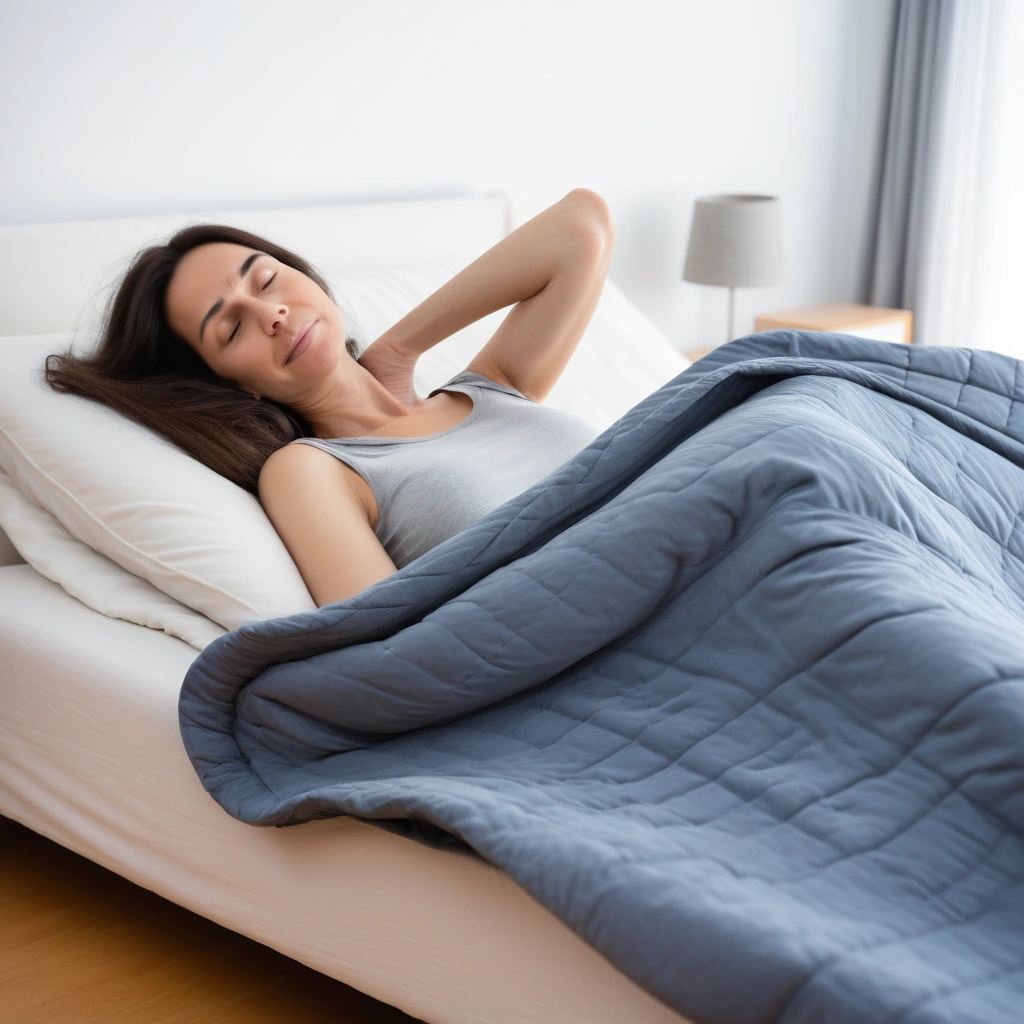
Finding Relief: How Weighted Blankets Can Help with Restless Legs Syndrome
Imagine the frustration of lying in bed, desperately seeking sleep, only to be tormented by an uncontrollable urge to move your legs. This is the nightly battle for millions who grapple with Restless Legs Syndrome (RLS), a neurological condition that disrupts sleep and significantly impacts quality of life. While various treatments, including medications and lifestyle adjustments, are available, many individuals are exploring alternative therapies, such as weighted blankets, to find relief. The potential of weighted blankets as a therapeutic tool for managing RLS symptoms, providing insights into how they work and what benefits they may offer, with a focus on improving sleep quality and overall well-being. The experience of RLS often extends beyond mere physical discomfort; it can trigger significant anxiety and stress, further complicating the ability to fall and stay asleep. The constant need to move, coupled with sensations like tingling, itching, or crawling in the legs, creates a cycle of sleeplessness and daytime fatigue. For those seeking non-pharmacological options, weighted blankets present a compelling alternative, offering a gentle yet effective approach to symptom management. The deep touch pressure provided by these blankets has been shown to promote relaxation and reduce the sensation of restlessness, creating a more conducive environment for sleep. It is crucial for those struggling with RLS to explore all possible avenues for relief, and weighted blankets have emerged as a promising option for many. Research into the effectiveness of weighted therapy for various conditions, including sleep disorders and anxiety, has shown encouraging results.
While specific studies focusing solely on weighted blankets and RLS are still emerging, the underlying principles of deep touch pressure suggest a clear mechanism of action. The gentle, even pressure of a weighted blanket can stimulate the release of neurotransmitters like serotonin and dopamine, which are known to have calming and mood-regulating effects. This can help to alleviate the anxiety and agitation that often accompany RLS, making it easier to relax and fall asleep. The weight provides a comforting sensation, similar to a hug, that can be particularly beneficial for those who experience heightened sensory sensitivity. Moreover, the use of weighted blankets aligns well with the growing interest in alternative therapies for sleep disorders and RLS. Many individuals are seeking solutions that minimize the potential side effects associated with medications, making weighted blankets an attractive option. The simplicity of using a weighted blanket, combined with its potential for improving sleep quality and reducing anxiety, positions it as a valuable tool in the management of RLS. As we continue to explore the benefits of weighted therapy, it is essential to consider the individual needs and preferences of each person, as what works for one may not work for another. However, the evidence suggests that weighted blankets offer a promising path towards better sleep and improved well-being for many RLS sufferers. This article will further explore the practical aspects of choosing the right weighted blanket and incorporating it into a comprehensive approach to managing RLS.
Understanding Restless Legs Syndrome
Restless Legs Syndrome (RLS), also known as Willis-Ekbom Disease, is a neurological sensorimotor disorder characterized by an overwhelming and irresistible urge to move the legs, often accompanied by uncomfortable sensations. These sensations are frequently described as tingling, itching, creeping, crawling, pulling, or even a deep aching or throbbing within the limbs. These symptoms characteristically worsen during periods of inactivity, particularly in the evening or at night, significantly disrupting sleep and subsequently leading to fatigue, daytime drowsiness, and impaired cognitive function. For some, the symptoms can be so severe that they interfere with daily activities and overall quality of life. The exact cause of RLS remains elusive, but research suggests a complex interplay of factors, including genetic predisposition, imbalances in brain chemicals like dopamine, which plays a crucial role in regulating movement, and potential disruptions in iron metabolism within the brain. Some studies indicate a link between RLS and other medical conditions such as iron deficiency, peripheral neuropathy, kidney disease, and pregnancy. While RLS can affect individuals of any age, including children, it becomes increasingly prevalent with age and is more common in women. Understanding the multifaceted nature of RLS is crucial for effective management strategies, which can range from lifestyle adjustments and alternative therapies like weighted blankets to prescribed medications. Many individuals find relief through a combination of approaches tailored to their specific needs. The impact of RLS on sleep is a significant concern, as the intensification of symptoms at night creates a vicious cycle of interrupted sleep and daytime exhaustion.
This sleep disruption can contribute to various health issues, including mood disturbances, decreased concentration, and reduced overall well-being. The restless nights caused by RLS can also strain personal relationships and impact work productivity. For example, The constant fatigue and irritability can make everyday tasks feel overwhelming. This is why seeking professional help and exploring management strategies like weighted blankets is crucial for those experiencing RLS symptoms. Weighted blankets offer a promising alternative therapy for managing RLS symptoms and improving sleep quality. The deep touch pressure provided by these blankets can create a sense of calm and relaxation, potentially reducing the urge to move the legs and alleviating the uncomfortable sensations. This non-pharmacological approach can be particularly appealing to individuals seeking drug-free options or those experiencing mild to moderate symptoms. Emerging research suggests that the deep pressure stimulation from weighted blankets may influence the nervous system in a way that helps regulate sensory input and promote relaxation, thus offering a potential pathway to relief for RLS sufferers. For individuals experiencing RLS, finding effective strategies to manage symptoms and improve sleep is paramount. The use of weighted blankets, in conjunction with other therapies as needed, represents a viable option for enhancing sleep quality and overall well-being. By understanding the underlying mechanisms of RLS and exploring a variety of management techniques, individuals can take proactive steps toward reclaiming restful nights and improving their quality of life.
How Weighted Blankets Work: The Science Behind Weighted Therapy for RLS
Weighted blankets can help manage Restless Legs Syndrome (RLS) symptoms by applying deep touch pressure (DTP), a technique that mimics a comforting hug. This consistent pressure activates skin receptors, prompting the release of serotonin and dopamine—neurotransmitters linked to calmness and mood stability. The result? Reduced anxiety and a more relaxed state, which is especially helpful for RLS sufferers who often struggle with sleep due to uncomfortable leg sensations. The blanket’s weight acts like a gentle anchor, calming involuntary leg movements and easing the constant urge to shift. For many, this leads to smoother transitions into sleep and fewer nighttime awakenings, improving overall sleep quality and reducing daytime tiredness.
The science suggests DTP can influence the autonomic nervous system, which controls functions like heart rate and breathing. By encouraging the body’s “rest and digest” state, weighted blankets may counteract the heightened nervous system activity common in RLS. This effect isn’t limited to the legs—many report feeling a general sense of peace and calm.
While research on weighted blankets specifically for RLS is still emerging, studies on DTP’s impact on anxiety, sleep issues, and sensory processing show promise. For instance, research indicates DTP can lower cortisol, a stress hormone often elevated in those with sleep problems. Lower cortisol levels add to the blanket’s calming properties.
Anecdotal reports from RLS patients using weighted blankets highlight significant improvements: better sleep, fewer leg movements, and less anxiety. These experiences suggest weighted blankets could be a practical alternative therapy for RLS.
Incorporating a weighted blanket into an RLS plan is straightforward and effective. It can ease sleep, lower anxiety, and address sensory sensitivities that worsen RLS. However, they aren’t a cure-all. A healthcare provider should be involved to create a tailored plan, which might include medication, lifestyle changes, or relaxation methods. Combining these approaches often yields the best results for managing RLS and boosting overall well-being.
Benefits of Weighted Blankets for RLS, Choosing the Right Blanket, and User Experiences
Weighted blankets aren’t just about better sleep—they’re a game-changer for folks with Restless Legs Syndrome. Think of it as a cozy hug for your nerves. Many users swear it’s like having a stress-buster sidekick, especially when anxiety creeps in alongside RLS. The deep touch pressure (DTP) these blankets deliver? It’s like a soft squeeze from your blanket, helping calm that restless energy. Especially at night, when symptoms tend to flare up. It’s not magic, but it’s close enough to make a difference.
Now, choosing the right blanket isn’t a one-size-fits-all deal. The general rule? Around 10% of your body weight. But hey, some people go heavier, some lighter—it’s all about what feels right. Size, comfort, and personal quirks matter. Breathable fabrics like cotton or bamboo are key—no one wants a sauna blanket in summer. Start slow too. A few minutes here, a little more there. Your body needs to get used to the weight, or you might end up tossing and turning instead of relaxing.
User stories? They’re full of wins. Folks report sleeping through the night, less leg twitching, and even days where the urge to move their legs just… stops. Not everyone, though—results vary. For some, it’s a total game-changer. For others, it’s one piece of the puzzle. Don’t treat it like a cure-all. It’s better paired with other stuff—like meds, therapy, or just plain good sleep habits.
Here’s the thing: Combining weighted blankets with other treatments can supercharge results. Pair it with meditation, a quick walk before bed, or even a cup of herbal tea. It’s like layering defenses against RLS. Sure, it’s not a silver bullet, but when you stack strategies, you’re stacking chances for better nights. And honestly? That’s what matters. RLS doesn’t have to ruin your day—and a weighted blanket might just be the cozy tool you didn’t know you needed.
Combining Weighted Blankets with Other RLS Therapies, Potential Side Effects and FAQs
While weighted blankets present a promising avenue for managing restless legs syndrome (RLS), it’s crucial to recognize that they often work best as part of a comprehensive treatment strategy rather than a solitary solution. For many individuals grappling with RLS, a multi-faceted approach involving medication, lifestyle adjustments, and alternative therapies, such as weighted therapy, is often the most effective path to relief. Consulting with a healthcare professional specializing in sleep disorders is essential to create a personalized treatment plan that addresses the specific needs and complexities of each case, ensuring that all contributing factors are considered.
Furthermore, the integration of cognitive behavioral therapy for insomnia (CBT-I) can be highly beneficial, as it targets the underlying psychological factors that may exacerbate sleep disturbances associated with RLS. It’s also important to acknowledge that while weighted blankets are generally considered safe, certain precautions should be observed. For example, individuals with pre-existing respiratory conditions or circulatory issues should seek medical advice before incorporating a weighted blanket into their sleep routine. There have been reports of some individuals experiencing discomfort or overheating when using a weighted blanket that is too heavy or not breathable. Therefore, proper guidance on selecting the right weight and material is key for a positive experience.
The selection process should consider the individual’s weight, body type, and comfort preferences, as a blanket that is too heavy can impede movement and create discomfort, whereas a blanket that is too light may not deliver the desired therapeutic benefits. This is why starting with a lighter weight and gradually increasing it as needed is often recommended. Moreover, the benefits of using a weighted blanket for RLS extend beyond just the physical realm.
Many individuals with RLS experience significant anxiety and stress, which can further exacerbate their symptoms. The deep touch pressure provided by a weighted blanket can help to modulate the nervous system, promoting relaxation and reducing overall anxiety levels. This calming effect can make it easier to fall asleep and stay asleep, which in turn can improve overall daytime functioning and reduce the impact of RLS on daily life. This is particularly relevant for individuals struggling with insomnia comorbid with RLS, where the reduction of anxiety is paramount for breaking the cycle of poor sleep. The use of weighted blankets is also gaining traction as an alternative therapy that can be used in combination with conventional medical treatments, allowing for a more holistic and patient-centered approach to RLS management. Studies have begun to explore the efficacy of weighted blankets in various populations, and though more research is needed to fully understand the nuances of weighted therapy, initial findings are encouraging, particularly regarding anxiety relief and improved sleep quality. For individuals with RLS, these benefits can be transformative, offering a non-pharmacological means to alleviate their symptoms. However, it is crucial to set realistic expectations and understand that weighted blankets are not a cure-all but rather a valuable tool in the broader management of RLS. They work by addressing specific physiological and psychological mechanisms, thereby contributing to a reduction in symptoms and improved overall well-being. The effectiveness of weighted blankets can vary from person to person, and what works well for one individual may not be as effective for another, highlighting the need for a personalized approach to RLS management. Finally, common questions such as how heavy should a weighted blanket be, whether weighted blankets are safe for everyone, and how long it takes to see results are paramount for individuals considering this therapy. A generally accepted rule of thumb is that a weighted blanket should be about 10% of the user’s body weight, but individual preferences may vary. While generally safe, individuals with certain health conditions should consult a healthcare provider before use. The time it takes to see results can vary, with some people experiencing immediate relief while others may take a few weeks to adjust and experience the full benefits. These considerations, along with ongoing research, will continue to refine the optimal use of weighted blankets in the management of RLS and related sleep disorders, ensuring that patients are well-informed and equipped to make the best choices for their individual needs. The integration of weighted blankets into a comprehensive treatment plan, alongside other therapies, offers a promising path to improved sleep and overall well-being for those affected by restless legs syndrome.