
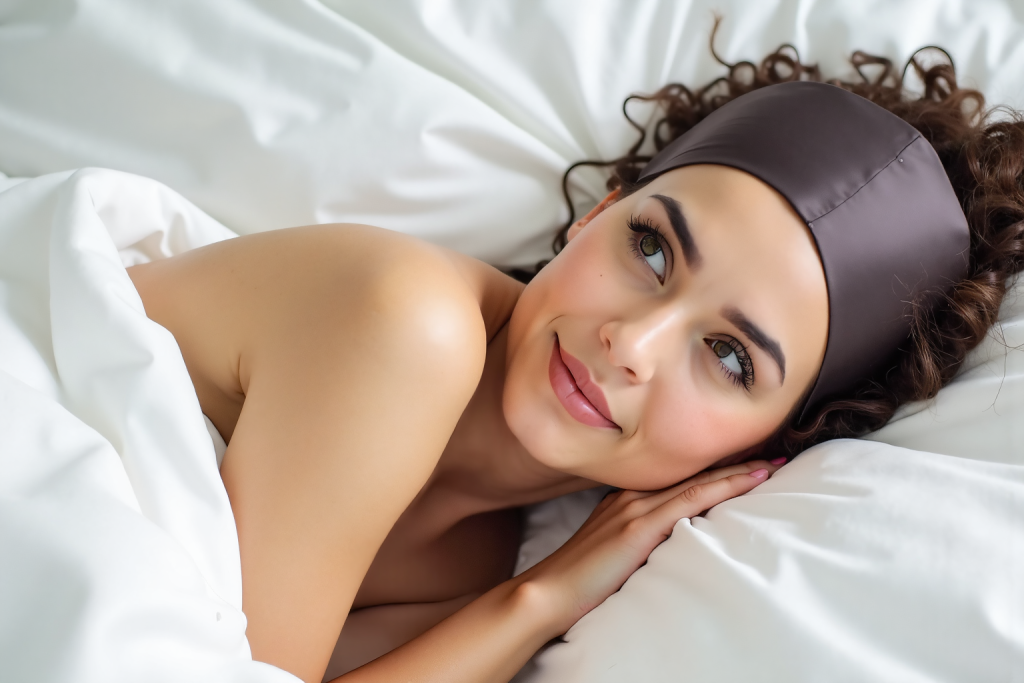
The Ultimate Guide to Sleep Caps for Gorgeous Hair
Are you tired of waking up with a bird’s nest instead of beautifully styled hair? Do you dream of effortless mornings where your hair looks as good as it did when you went to bed? A sleep cap might just be the ultimate hair care solution you’ve been searching for. This comprehensive guide will unravel the mysteries of sleep caps, exploring the unique properties of silk, satin, and cotton and empowering you to choose the perfect one for your individual hair type, care preferences, and budget. Beyond simply taming frizz and tangles, incorporating a sleep cap into your routine can significantly contribute to overall hair health. Think of it as a nightly spa treatment for your tresses, protecting them from friction and breakage while locking in moisture and preserving your hairstyle.
Whether you’re rocking bouncy curls, sleek straight locks, or something in between, a sleep cap can help maintain its shape and vibrancy. For those with curly hair, a satin bonnet for hair is a game-changer, minimizing friction and maintaining definition overnight. Similarly, those with straight hair can benefit from reduced split ends and tangles, waking up with smoother, more manageable strands.
Even fine hair types can appreciate the lightweight protection of a silk sleep cap, while thick hair may benefit from the durability of a satin option. This guide will delve into the silk sleep cap benefits, exploring why this luxurious material is often touted as the gold standard for hair care while sleeping.
We’ll also discuss the advantages of a cotton sleep cap, highlighting its affordability and breathability while acknowledging its potential drawbacks. From understanding material properties to debunking common myths, this sleep cap guide will equip you with the knowledge to make an informed decision, transforming your nighttime routine and leading you on the path to gorgeous, healthy hair.
Finding the best sleep cap for curly hair, straight hair, or any other hair type depends on a variety of factors, and we’ll explore those factors in detail. Whether you’re a beauty enthusiast, a sleep-conscious individual, or simply looking for practical fashion accessories that enhance your hair care routine, this guide offers valuable insights and expert advice.
Material Properties: Silk vs. Satin vs. Cotton
Silk, prized for its luxurious feel and exceptional breathability, stands out in the world of sleep caps. Its incredibly smooth surface minimizes friction against the hair cuticle, a key factor in reducing frizz, breakage, and those dreaded morning tangles. This is particularly beneficial for those with curly or textured hair, as silk helps maintain moisture and definition, contributing to healthier, more vibrant curls. For individuals concerned about hair care while sleeping, a silk sleep cap offers a gentle, protective barrier against pillow friction.
Furthermore, its breathability helps regulate temperature, preventing overheating and promoting a comfortable night’s sleep, a crucial element for overall beauty and well-being. Silk sleep cap benefits extend beyond hair health, contributing to a more restful sleep experience. Satin, a smooth woven fabric, offers similar benefits to silk, making it an excellent alternative at a more accessible price point. A satin bonnet for hair provides a smooth surface that glides over the hair, minimizing friction and reducing frizz and breakage.
Yet, while not as breathable as silk, satin still allows for adequate airflow, preventing excessive heat buildup. Its durability and ease of care make it a practical choice for many. Satin is a popular choice for those seeking a balance between quality hair protection and affordability, aligning with budget-conscious beauty routines.
Cotton, a natural and widely available fiber, is known for its absorbency. This can be advantageous for those with oily hair, as a cotton sleep cap can help wick away excess moisture. However, cotton’s relatively rough texture can create friction against the hair shaft, potentially leading to dryness, tangles, and breakage, especially for delicate or dry hair types. While cotton sleep cap advantages include affordability and ease of access, it’s essential to weigh these against the potential drawbacks for specific hair types.
Understanding the nuances of each material helps in selecting the best sleep cap for individual needs and contributes to a comprehensive hair care routine. Choosing the right material is crucial for optimizing hair protection and achieving desired results. Whether prioritizing the luxurious feel of silk, the practicality of satin, or the absorbency of cotton, understanding the properties of each fabric empowers informed decision-making.
This knowledge contributes to a holistic approach to hair care, encompassing not only daily routines but also nighttime protection. Investing in a sleep cap tailored to individual hair needs and preferences represents a proactive step towards healthier, more manageable hair. From preventing breakage and frizz to preserving hairstyles, the right sleep cap becomes an essential part of a comprehensive beauty and hair care regimen.
Still, this sleep cap guide provides insights into various materials and their impact on hair health, helping readers make informed choices aligned with their specific hair type and lifestyle.
Choosing the Right Cap for Your Hair Type
For those with curly hair, a silk or satin sleep cap becomes an essential tool in their hair care arsenal, preserving the definition of their curls and minimizing frizz caused by friction against cotton pillowcases. Silk, in particular, is known for its breathability, allowing air to circulate while reducing moisture loss, which is crucial for maintaining hydrated, bouncy curls. This makes a silk sleep cap an investment in long-term hair health, reducing the need for frequent deep conditioning treatments. Similarly, satin bonnets for hair offer a more budget-friendly option with comparable benefits in reducing friction and preserving curl definition, making them an excellent choice for those seeking affordable hair protection. Cotton sleep caps, while less effective for curl definition, can be beneficial for those with oily scalps, as cotton absorbs excess oil, preventing it from transferring to the hair and weighing it down.
However, the absorbency of cotton can also lead to dryness for some, making silk or satin a better choice for dry or damaged curls. Straight hair, while generally less prone to tangling than curly hair, can also benefit significantly from wearing a sleep cap. Silk sleep cap benefits extend to straight hair by minimizing friction, a common culprit behind split ends and breakage, promoting smoother, healthier-looking strands. The gentle glide of silk against the hair shaft also helps to maintain shine and reduce the appearance of flyaways, contributing to an overall polished look.
A satin bonnet for hair provides similar advantages, especially for those with fine, straight hair, as it offers a lightweight and comfortable option that won’t weigh the hair down during sleep. For those with thick, straight hair, the durability of satin makes it an ideal choice, as it can withstand the weight and movement of thicker hair without tearing or losing its shape. Fine hair types often find silk sleep caps ideal for hair care while sleeping. The lightweight nature of silk ensures that the cap doesn’t feel heavy or constricting, allowing for a comfortable night’s sleep.
Additionally, the smooth surface of silk minimizes pulling and tugging on delicate strands, reducing breakage and promoting healthy hair growth. Those with thick hair, however, might find the added durability of a satin sleep cap more suitable, as it can withstand the weight and volume of thicker hair without stretching or tearing.
Dry hair types, regardless of texture, benefit significantly from the moisture retention provided by silk or satin sleep caps. By creating a barrier against the moisture-absorbing properties of cotton pillowcases, these caps help to lock in hydration, preventing dryness and promoting overall hair health. This is particularly beneficial for those with chemically treated or damaged hair, as it aids in the recovery process and helps to maintain the vibrancy of color-treated hair.
While cotton sleep caps can be advantageous for oily hair, some individuals with oily hair may still find silk or satin preferable due to their reduced friction and ability to maintain hairstyles. The best sleep cap for curly hair or any other hair type depends on individual needs and preferences, making experimentation and consideration of personal hair goals key to finding the perfect fit.
This sleep cap guide provides a starting point for making an informed decision, but personal experience will ultimately determine the most effective choice for each individual’s hair care routine.
Potential Drawbacks: Cost, Durability, and Maintenance
Investing in a silk sleep cap often requires a higher initial investment due to the luxurious nature of the material and its many hair care benefits. Real silk is a natural protein fiber, prized for its smooth texture which minimizes friction against the hair cuticle, leading to less breakage, frizz, and tangles. This makes silk an excellent choice for those prioritizing hair health and seeking the ultimate in sleep-related beauty accessories. Think of it as a nightly spa treatment for your hair, preserving your hairstyle and promoting overall hair health while you sleep.
However, the higher cost may not be feasible for everyone. For budget-conscious shoppers seeking hair protection, satin bonnets for hair offer an excellent alternative. Satin, typically made from polyester, mimics the smooth surface of silk at a more accessible price point. While not as breathable as silk, a satin bonnet still effectively reduces friction, making it a popular choice for maintaining sleek hairstyles and preventing damage. This makes satin a practical and stylish fashion accessory that also promotes healthy hair. Cotton sleep caps, while the most affordable option and a readily available natural fiber, present some drawbacks. Cotton’s absorbent nature can draw moisture away from hair, potentially leading to dryness, especially for those with already dry or curly hair. Additionally, the coarser texture of cotton, compared to silk or satin, can create friction, leading to tangles and breakage.
While a cotton sleep cap might be suitable for those with oily hair, it may require more frequent replacement due to wear and tear, ultimately affecting its long-term value. The maintenance of your sleep cap, no matter the material, is a crucial part of hair care while sleeping. Silk sleep caps often require delicate hand washing to preserve their luxurious feel and prevent damage. This extra care ensures the longevity of the cap and maximizes its hair-protecting benefits.
Satin and cotton sleep caps, on the other hand, are generally more durable and can typically withstand machine washing, simplifying their care. Understanding the care requirements for each material will help you choose the best sleep cap for your lifestyle and hair type. Choosing the right sleep cap becomes a personalized approach based on individual hair needs and preferences.
For those with curly hair, a silk or satin sleep cap guide often recommends these materials for maintaining definition and moisture. A satin bonnet for hair is a popular choice for protecting elaborate hairstyles and preventing frizz. Those with straight hair can also benefit from the reduced friction offered by any of the three materials, minimizing split ends and tangles.
Selecting the best sleep cap involves weighing the cost, durability, and maintenance needs of each material against your specific hair type and desired outcomes. If you’re seeking the ultimate in hair protection and have the budget, a silk sleep cap is a worthwhile investment in your hair’s health and beauty sleep routine.
Selecting the Right Sleep Cap: A Personalized Approach
Selecting the right sleep cap requires a personalized approach that considers hair type, budget, and lifestyle. This decision is integral to maintaining hair health and enhancing sleep quality, much like choosing a complementary fashion accessory. The material of the sleep cap plays a pivotal role, with silk, satin, and cotton each offering distinct advantages.
Silk, for instance, excels in moisture retention and breathability, reducing friction to prevent breakage and frizz—ideal for those prioritizing hair preservation. Satin provides a cost-effective alternative, mimicking silk’s smooth texture to minimize friction while maintaining hairstyles. Cotton, though absorbent and suitable for oily hair, demands high-quality, tightly woven fabric to avoid friction that could disrupt curls or cause tangles. Understanding these material properties helps tailor the choice to individual needs, ensuring both comfort and efficacy.
Material selection extends beyond basic benefits to include practical considerations like cost and durability. Silk, while premium, offers unparalleled softness and breathability, making it a long-term investment for hair health. Satin bonnets, often more affordable, replicate many silk benefits, appealing to budget-conscious consumers without compromising on friction reduction. Cotton, though less common for sleep caps, can be effective for oily hair if sourced from premium, tightly woven sources. However, its absorbent nature may not suit all hair types, particularly those requiring moisture retention. The key is balancing these factors—whether prioritizing luxury, affordability, or specific hair care needs—to find a material that aligns with personal priorities and hair characteristics.
Lifestyle and environmental factors further influence sleep cap selection. In humid climates, breathability becomes critical, favoring silk’s natural airflow properties. For frequent travelers, a durable and compact satin bonnet may be more practical, offering ease of use without sacrificing hair protection. These external variables underscore the importance of adaptability in choosing a sleep cap. Additionally, personal habits, such as tossing and turning during sleep, can impact the need for a secure, low-friction option like satin. By evaluating how daily routines and surroundings interact with hair type, individuals can make informed decisions that enhance both sleep quality and hair maintenance.
Meanwhile, hair type specificity is another crucial factor in sleep cap selection. Curly or textured hair benefits from materials that retain moisture and reduce friction, such as silk or satin-lined caps, to preserve curl definition. Straight hair, meanwhile, may prioritize satin bonnets to prevent split ends and tangles caused by movement during sleep. Fine hair often thrives with silk’s lightweight texture, while thicker hair might prefer satin’s durability. These nuances highlight the necessity of aligning material properties with individual hair needs. The ideal sleep cap is a harmonious blend of functional benefits, personal preferences, and practical considerations, ensuring that nightly rest contributes to long-term hair health and vitality.
Caring for Your Sleep Cap & Debunking Common Myths
Proper care is essential to maximize the lifespan and effectiveness of your sleep cap. Treat your sleep cap with the same gentle consideration you would give delicate garments, always following the manufacturer’s washing and drying instructions. Avoid harsh detergents, as these can strip the fabric of its natural properties, leading to premature wear and tear – a particular concern for silk and satin. High heat can also damage the fibers, so air drying is generally recommended regardless of the material. For silk sleep caps, gentle hand washing in cold water with a mild detergent is ideal, preserving the luxurious texture and ensuring long-term use.
Many misconceptions surround sleep caps and their benefits. It’s a common belief that all sleep caps are created equal, but the material significantly impacts hair health and comfort, as this guide demonstrates. The differences between silk, satin, and cotton extend beyond feel, directly influencing moisture retention, friction reduction, and overall hair health. Another misconception is that only those with long or curly hair need a sleep cap; even shorter hair types benefit from reduced friction and maintained moisture, preventing split ends, frizz, and tangles. A satin bonnet, for example, can help maintain a sleek look for straight hair of any length.
Still, choosing the right sleep cap is a personalized process based on individual hair needs and preferences. Silk is a worthwhile investment if you seek a luxurious feel and ultimate hair protection, minimizing friction and being ideal for delicate or damage-prone hair. Satin bonnets offer a balance of cost and effectiveness, providing excellent smoothness and moisture retention for healthier, more manageable hair. Cotton sleep caps are advantageous for those with oily hair, as their absorbency helps manage excess oil. Understanding these nuances empowers you to make an informed decision.
Beyond their functional benefits, sleep caps have evolved into a stylish addition to any nighttime routine. Available in various colors, patterns, and embellishments, you can find a sleep cap that complements your personal style. Incorporating a sleep cap into your bedtime routine benefits hair health and adds a touch of elegance. For curly hair, a silk or satin sleep cap is often best, helping to maintain definition and prevent frizz. This guide provides comprehensive information to help you choose the perfect sleep cap for your hair type, ensuring a good night’s sleep and beautiful, healthy hair every morning.