
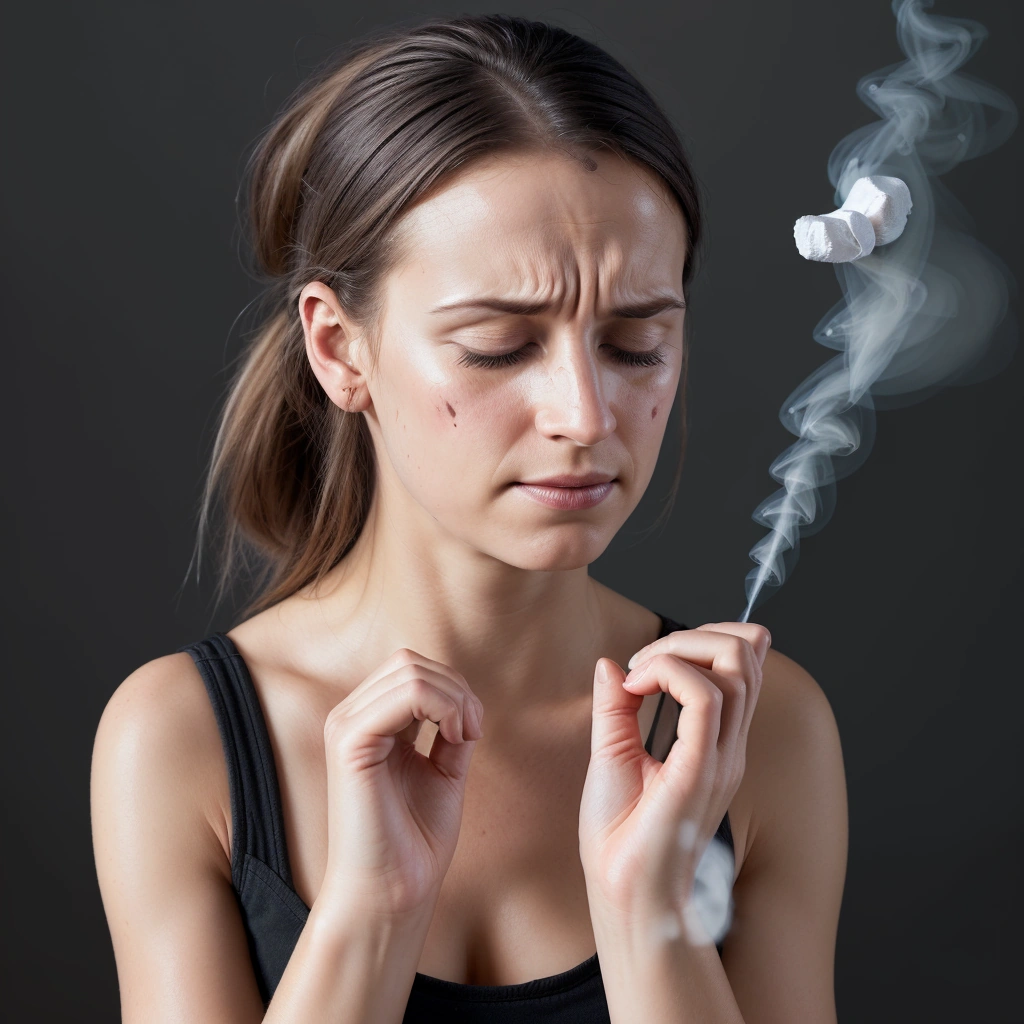
Unlocking Headache Relief: A Guide to Aromatherapy
The throbbing, debilitating pain of a headache or migraine can derail your day, leaving you searching for effective relief. While conventional medications offer solutions, many are turning to natural alternatives, including aromatherapy. This ancient practice, leveraging the aromatic compounds of plants, has gained recognition for its potential to ease headache symptoms and promote overall well-being. Indeed, a growing body of research suggests that aromatherapy for headaches can be a valuable complementary therapy, particularly when integrated into a holistic headache management plan.
But how exactly does aromatherapy work, and which essential oils are most effective for different types of headaches? Aromatherapy operates on the principle that inhaled essential oils can interact with the limbic system, influencing mood, stress levels, and even pain perception. Certain essential oils for migraines, such as peppermint and lavender, possess analgesic and anti-inflammatory properties that may help alleviate symptoms. Furthermore, the ritualistic aspect of aromatherapy – the mindful act of inhalation or topical application – can contribute to a sense of calm and relaxation, further aiding in tension headache relief.
This comprehensive guide explores the science behind aromatherapy, detailing specific oils, application methods, safety precautions, and how to integrate this practice into a holistic headache management strategy. We will delve into the nuances of using lavender oil for headaches, peppermint oil for migraines, and other natural headache remedies. Understanding the specific triggers and characteristics of your headaches is crucial for selecting the most appropriate essential oils and application techniques. Remember, aromatherapy is not a cure-all, and seeking professional medical advice is paramount for persistent or severe headaches. However, as a complementary approach, aromatherapy can empower individuals to take a more active role in their headache management journey.
Aromatherapy: More Than Just a Pleasant Scent
Aromatherapy is more than just a pleasant scent; it represents the therapeutic application of essential oils, potent extracts derived from plants. These oils are rich in volatile aromatic compounds that interact with the body’s intricate systems through multiple pathways. Inhalation is a primary method, where scent molecules navigate the olfactory system, directly influencing the limbic system – the brain’s center for emotions and memories. This interaction can profoundly impact mood, stress levels, and even the perception of pain, making aromatherapy for headaches a compelling natural remedy.
Topical application allows for absorption into the bloodstream, potentially affecting physiological processes and providing migraine relief. The effectiveness of aromatherapy for headaches and migraines hinges on the complex interplay between these aromatic compounds and the body’s physiological responses. While research is ongoing, studies suggest that certain essential oils possess analgesic (pain-relieving), anti-inflammatory, and muscle-relaxant properties, rendering them potentially beneficial for headache management. For instance, lavender oil for headaches is often cited for its calming effects, while peppermint oil for migraines is known for its ability to ease tension and promote circulation.
These oils offer natural headache remedies that address the root causes of pain, such as stress and muscle tension. Beyond direct pain relief, aromatherapy plays a role in holistic headache management. Dr. Sarah Brewer, a health expert and author specializing in natural medicine, emphasizes that essential oils can address contributing factors like stress, anxiety, and poor sleep – all known triggers for tension headaches and migraines. Integrating aromatherapy into a broader wellness routine that includes proper hydration, regular exercise, and stress management techniques can amplify its effectiveness. By targeting both the symptoms and underlying causes, aromatherapy offers a multifaceted approach to headache and migraine relief, representing a powerful tool in the realm of natural remedies. Essential oils, therefore, are not merely fragrances but concentrated plant extracts with the potential to improve overall well-being.
Essential Oils for Headache Relief: A Guide by Type
Not all essential oils are created equal when it comes to headache relief. Different oils possess unique properties that may be more effective for specific types of headaches: Lavender Oil: Renowned for its calming and relaxing effects, lavender oil is often used for tension headaches and stress-related migraines. Studies suggest it can reduce anxiety and promote relaxation, easing muscle tension that contributes to headaches. Research published in journals like ‘Neurology’ has explored lavender oil for headaches, often highlighting its impact on the nervous system.
As a cornerstone of aromatherapy for headaches, lavender oil for headaches is frequently recommended as a first-line natural headache remedy. Peppermint Oil: With its menthol content, peppermint oil can provide a cooling and analgesic effect. It’s often used topically to relieve tension headaches and migraines. Some research indicates that peppermint oil can increase blood flow in the forehead, potentially alleviating headache pain. The menthol in peppermint interacts with receptors in the skin, creating a cooling sensation and potentially blocking pain signals.
Peppermint oil for migraines is gaining traction, with some studies suggesting its effectiveness is comparable to that of acetaminophen in reducing tension headache intensity. This makes it a popular choice for those seeking natural remedies. Rosemary Oil: This oil may improve circulation and reduce pain. Some studies suggest rosemary oil can help alleviate headaches associated with stress and fatigue. It also possesses anti-inflammatory properties. Rosemary’s stimulating properties can also combat mental fatigue, a common trigger for headaches.
Its potential to enhance cognitive function while easing pain makes it a valuable addition to headache management strategies. When considering essential oils for migraines, rosemary is often included for its multifaceted benefits. Eucalyptus Oil: Known for its decongestant properties, eucalyptus oil can be beneficial for sinus headaches. It can help clear nasal passages and reduce sinus pressure. The primary component, eucalyptol (also known as cineole), has been shown to have anti-inflammatory and mucolytic effects, which can help relieve sinus congestion.
Eucalyptus oil is often used in steam inhalation for its ability to open up airways and alleviate pressure, providing much-needed migraine relief and tension headache relief associated with sinus issues. Chamomile Oil: Similar to lavender, chamomile oil has calming and anti-inflammatory properties, making it suitable for tension headaches and stress-induced migraines. Its gentle sedative effect can help reduce anxiety and promote restful sleep, both of which are crucial for headache prevention and management. German chamomile, in particular, contains compounds like bisabolol, known for their potent anti-inflammatory actions.
When integrated into aromatherapy for headaches, chamomile offers a soothing alternative for those sensitive to stronger scents. In the realm of natural headache remedies, chamomile stands out for its gentle yet effective approach. Beyond these well-known options, other essential oils show promise in headache management. Frankincense, with its anti-inflammatory and analgesic properties, may help reduce headache pain and inflammation. Ginger oil, known for its anti-nausea effects, can be particularly helpful for migraines accompanied by nausea. A blend of essential oils, carefully chosen and diluted, can provide synergistic effects, targeting multiple headache triggers simultaneously. It is important to consult with a qualified aromatherapist or healthcare professional to determine the most appropriate essential oils and application methods for your specific type of headache and individual needs. Remember that while essential oils offer a complementary approach, they should not replace conventional medical treatment for severe or chronic headaches.
Methods of Application: Finding What Works for You
There are several ways to use essential oils for headache relief. Inhalation, one of the simplest methods, allows volatile compounds to directly access the limbic system. Beyond simply inhaling from the bottle or using a personal inhaler, consider the nuanced benefits of steam inhalation. Adding a few drops of essential oil, such as eucalyptus or peppermint, to a bowl of hot water and inhaling the steam (covering your head with a towel) can provide decongestant properties, particularly beneficial for sinus headaches.
This method delivers the essential oils directly to the nasal passages, potentially reducing inflammation and promoting clearer breathing. Always exercise caution with steam inhalation, ensuring the water is not scalding and taking breaks to avoid overheating. The therapeutic effects are often amplified when combined with deep, mindful breathing exercises, further enhancing relaxation and tension headache relief. Topical application requires careful dilution with a carrier oil like jojoba, almond, or coconut oil to prevent skin irritation.
The recommended 1-3% dilution (1-3 drops of essential oil per teaspoon of carrier oil) is a general guideline; individuals with sensitive skin should start with a lower concentration. Targeted application to the temples, forehead, back of the neck, or shoulders allows the essential oils to be absorbed into the bloodstream, potentially exerting their analgesic and anti-inflammatory effects. Some practitioners advocate for specific application points based on Traditional Chinese Medicine principles, such as acupressure points known to alleviate headache symptoms.
For example, applying lavender oil for headaches to the LI-4 (Hegu) point, located on the back of the hand between the thumb and index finger, may enhance its pain-relieving properties. Diffusion, utilizing an essential oil diffuser to disperse aroma throughout a room, offers a sustained and subtle method of aromatherapy for headaches. Ultrasonic diffusers, which use water and vibration to create a fine mist, are generally preferred as they don’t heat the essential oils, preserving their therapeutic properties.
The choice of essential oil can be tailored to the specific type of headache. For tension headache relief, lavender or chamomile can promote relaxation, while peppermint oil for migraines may help alleviate nausea and throbbing pain. Consider the size of the room when determining the number of drops to use, starting with a smaller amount and adjusting as needed to avoid overwhelming the senses. Intermittent diffusion, such as 30 minutes on and 30 minutes off, can prevent olfactory fatigue and maintain the effectiveness of the aromatherapy session.
Compresses, applying a cloth soaked in water infused with essential oils, offer both temperature and aromatherapy benefits. Warm compresses can help relax tense muscles, making them ideal for tension headaches, while cool compresses can constrict blood vessels, potentially alleviating migraine pain. The choice of essential oil depends on the desired effect; lavender oil is often used for its calming properties, while peppermint oil provides a cooling sensation. Ensure the cloth is wrung out thoroughly to prevent dripping and avoid direct contact with the eyes.
This method allows for localized application of essential oils, providing targeted relief to specific areas of the head and neck. For enhanced migraine relief, consider adding a few drops of frankincense essential oil, known for its anti-inflammatory properties, to the compress. Beyond these common methods, consider aromatherapy jewelry, such as diffuser necklaces or bracelets, which provide a portable and discreet way to experience the benefits of essential oils throughout the day. These accessories typically contain a small absorbent pad onto which a few drops of essential oil are applied.
This allows for continuous, low-level exposure to the aroma, potentially helping to manage chronic headache symptoms. Another emerging method is aromatherapy massage, where diluted essential oils are incorporated into a massage session. This combines the therapeutic benefits of massage with the specific properties of the essential oils, promoting relaxation, reducing muscle tension, and potentially alleviating headache pain. When seeking aromatherapy massage, ensure the therapist is qualified and experienced in using essential oils safely and effectively.
Safety First: Precautions, Side Effects, and Contraindications
While aromatherapy is generally safe, it’s crucial to take precautions to minimize potential adverse effects. Dilution is paramount; always dilute essential oils with a carrier oil such as jojoba, almond, or coconut oil before topical application. A general guideline is a 1-3% dilution, which translates to roughly 5-15 drops of essential oil per ounce of carrier oil. For those with sensitive skin or when using oils known to be more potent, such as cinnamon or clove, start with an even lower concentration.
Remember that more isn’t always better; a diluted solution is less likely to cause skin irritation and can be just as effective for natural headache remedies and migraine relief. Prior to widespread use, an allergy test is non-negotiable. Apply a small amount of the diluted essential oil to a discrete area of skin, like the inner forearm, and cover it with a bandage. Wait 24-48 hours, monitoring for any signs of irritation, redness, itching, or blistering.
If any adverse reaction occurs, discontinue use immediately and wash the area with soap and water. Even if you’ve used an essential oil previously without issue, it’s wise to retest, as sensitivities can develop over time. This is especially important when exploring aromatherapy for headaches, as reactions can exacerbate symptoms. When using aromatherapy for migraine management, proceed with the utmost caution. Special populations, including pregnant and breastfeeding women, as well as children and pets, require extra consideration.
Many essential oils are contraindicated during pregnancy due to their potential to stimulate uterine contractions or possess other hormonal effects. Always consult with a qualified healthcare professional or certified aromatherapist before using essential oils if you are pregnant or breastfeeding. Similarly, children have more sensitive skin and smaller body mass, making them more susceptible to the effects of essential oils. Use significantly lower dilutions and avoid certain oils altogether. Keep essential oils out of reach of children and pets, as ingestion can be toxic.
When diffusing, ensure the space is well-ventilated and monitor for any signs of respiratory distress or discomfort. Photosensitivity is another important consideration, particularly when using citrus oils like lemon, grapefruit, bergamot, and orange. These oils contain compounds called furanocoumarins, which can increase the skin’s sensitivity to ultraviolet (UV) radiation, making you more prone to sunburn or skin discoloration. Avoid direct sun exposure for at least 12 hours after topical application of photosensitizing essential oils. If sun exposure is unavoidable, apply a broad-spectrum sunscreen with an SPF of 30 or higher to the treated area.
Consider using these oils in the evening or opting for non-photosensitizing alternatives for daytime use. Even diffused citrus oils can cause photosensitivity, though to a lesser extent, so be mindful of sun exposure. The quality of essential oils directly impacts their safety and efficacy. Opt for 100% pure, therapeutic-grade essential oils from reputable sources that provide GC/MS (Gas Chromatography/Mass Spectrometry) testing reports. These reports verify the oil’s chemical composition and purity, ensuring it is free from adulterants, pesticides, or synthetic fragrances.
Adulterated or synthetic oils may not provide the therapeutic benefits you’re seeking and could potentially cause adverse reactions, such as skin irritation, allergic reactions, or even headaches. Be wary of inexpensive oils, as they are often diluted or of poor quality. Investing in high-quality essential oils is an investment in your health and well-being, especially when using aromatherapy for headaches and seeking tension headache relief. Always research the brand and read reviews before making a purchase.
Potential side effects extend beyond skin irritation and can, in rare cases, involve respiratory issues, particularly in individuals with asthma or other respiratory sensitivities. Diffusing essential oils can release volatile organic compounds (VOCs) into the air, which may trigger bronchospasm or worsen existing respiratory conditions. Start with short diffusion intervals (15-30 minutes) and monitor for any adverse reactions, such as coughing, wheezing, or shortness of breath. Certain essential oils, such as eucalyptus and peppermint, should be used with caution in individuals with asthma. Furthermore, certain oils are contraindicated for individuals with specific medical conditions. For example, those with epilepsy should avoid stimulating oils like rosemary, sage, and hyssop, as they may lower the seizure threshold. Always consult with a healthcare professional or certified aromatherapist if you have any underlying medical conditions or are taking medications before using essential oils.
The Importance of Quality and Sourcing
The quality and sourcing of essential oils significantly impact their effectiveness and safety, especially when considering aromatherapy for headaches and migraines. Look for oils that are labeled as ‘pure’ or ‘therapeutic grade’ and are GC/MS tested (Gas Chromatography/Mass Spectrometry) to verify their composition. GC/MS testing is a crucial analytical technique that identifies the individual chemical components of an essential oil, ensuring its purity and authenticity. Choose reputable brands that are transparent about their sourcing and extraction methods.
Many reputable companies will readily provide GC/MS reports upon request, allowing you to verify the oil’s composition and ensure you’re getting what you pay for. Organic essential oils are preferable, as they are less likely to contain pesticides or other contaminants. Be wary of extremely cheap oils, as they may be diluted or synthetic, offering little to no therapeutic benefit for natural headache remedies. Beyond purity, consider the chemotype of the essential oil. Chemotype refers to the chemical profile of a plant species, which can vary depending on factors like geographical location, climate, and growing conditions.
For example, lavender oil for headaches (Lavandula angustifolia) can have different chemotypes, each with varying concentrations of key compounds like linalool and linalyl acetate. These variations can influence the oil’s therapeutic properties and effectiveness for tension headache relief or migraine relief. Understanding the chemotype helps ensure you’re using an essential oil with the specific chemical makeup best suited for your needs. To further illustrate, consider peppermint oil for migraines. A high-quality peppermint oil should contain a significant amount of menthol, the compound responsible for its cooling and analgesic properties.
However, a poorly sourced or adulterated peppermint oil might have a lower menthol content or contain synthetic additives, reducing its effectiveness for headache management. Investing in high-quality essential oils from trusted sources, while sometimes more expensive upfront, ultimately provides better therapeutic outcomes and ensures you’re using safe and effective natural remedies for aromatherapy for headaches. Always research brands and read reviews before making a purchase to ensure you are getting a genuine product that will assist in essential oils for migraines.
Creating Aromatherapy Blends and Integrating into a Holistic Plan
Creating your own aromatherapy blends can be a rewarding endeavor, allowing for personalized headache relief tailored to your specific needs and preferences. The synergy created by combining different essential oils can often provide more comprehensive relief than using a single oil alone. When formulating blends, it’s crucial to consider not only the individual properties of each essential oil but also how they interact with one another. For example, lavender oil, known for its calming effects, pairs exceptionally well with peppermint oil, which can help to relieve tension and promote circulation.
Remember to always dilute essential oils in a carrier oil, such as jojoba, almond, or coconut oil, before applying them to the skin. A good starting point is a 1-3% dilution, which translates to 1-3 drops of essential oil per teaspoon of carrier oil. Experimentation is key to discovering what works best for you, but here are a few evidence-backed simple blends to try. For tension headache relief, a blend of 2 drops of lavender oil and 2 drops of peppermint oil in 1 teaspoon of carrier oil can be applied to the temples, forehead, and back of the neck.
Lavender oil’s linalool and linalyl acetate content contributes to its anxiolytic and analgesic effects, while peppermint oil contains menthol, a known muscle relaxant and pain reliever. For migraine relief, consider a blend of 3 drops of lavender oil and 2 drops of frankincense oil in 1 teaspoon of carrier oil. Frankincense, with its anti-inflammatory properties, may help reduce the inflammation associated with migraines, complementing lavender’s calming effects. A study published in the journal *Phytotherapy Research* demonstrated that inhaling frankincense oil reduced headache intensity in participants experiencing tension headaches.
Finally, for sinus headache relief, a blend of 2 drops of eucalyptus oil and 2 drops of tea tree oil in 1 teaspoon of carrier oil can be used. Eucalyptus oil contains cineole, an expectorant and anti-inflammatory agent, while tea tree oil possesses antiseptic properties, making this blend helpful for clearing congestion and relieving sinus pressure. Aromatherapy for headaches is most effective when integrated into a holistic headache management plan that addresses various lifestyle factors.
Essential oils for migraines can be a powerful tool, but they work best in conjunction with other natural headache remedies. Regular exercise, for example, promotes circulation and reduces stress, both of which can contribute to headache relief. Stress management techniques such as meditation, yoga, and deep breathing exercises can also help to prevent tension headaches and migraines. Proper hydration is essential, as dehydration can trigger headaches in some individuals. Maintaining a healthy diet, avoiding processed foods, caffeine, and alcohol, which are common headache triggers, is also crucial for effective headache management.
Furthermore, prioritizing sleep hygiene by maintaining a consistent sleep schedule and creating a relaxing bedtime routine can significantly reduce the frequency and severity of headaches. Remember that while aromatherapy offers a complementary approach, it is essential to consult with a healthcare professional for persistent or severe headaches to rule out any underlying medical conditions. By combining aromatherapy with these holistic strategies, you can create a comprehensive and personalized plan for natural headache remedies and migraine relief.
Limitations of Aromatherapy and When to Seek Medical Advice
While aromatherapy can be a valuable tool for headache relief, it’s important to acknowledge its limitations. Aromatherapy is not a substitute for medical treatment, and it may not be effective for all types of headaches or all individuals. If you experience frequent, severe, or sudden-onset headaches, it’s essential to seek professional medical advice. A doctor can diagnose the underlying cause of your headaches and recommend appropriate treatment options. Furthermore, conditions like Restless Leg Syndrome can significantly impact sleep quality and, consequently, headache frequency.
Addressing underlying sleep disorders is crucial for effective headache management. It’s also vital to understand that what works for one person may not work for another when it comes to natural headache remedies. For example, while lavender oil for headaches is often touted for tension headache relief due to its calming properties, some individuals might find peppermint oil for migraines more effective, especially if their migraines are accompanied by nausea. Consulting with a qualified aromatherapist can help you identify the essential oils for migraines and blends that are most suited to your specific headache profile and triggers.
They can also guide you on safe and effective application methods for aromatherapy for headaches. Moreover, relying solely on aromatherapy for headache management without addressing lifestyle factors can be a limiting approach. Dehydration, stress, poor diet, and lack of exercise are all known headache triggers. Integrating aromatherapy into a holistic plan that includes adequate hydration, stress management techniques like meditation or yoga, a balanced diet rich in magnesium and other essential nutrients, and regular physical activity can significantly enhance the effectiveness of natural headache remedies.
Consider keeping a headache diary to track potential triggers and the effectiveness of different essential oils and other natural remedies. Finally, be aware of potential interactions between essential oils and medications. Certain essential oils can affect the metabolism of drugs, potentially altering their effectiveness or increasing the risk of side effects. Always inform your doctor about any essential oils or other natural remedies you are using, especially if you are taking prescription medications. While essential oils offer a complementary approach to headache relief, they should be used responsibly and in conjunction with, not as a replacement for, professional medical care when necessary.
Aromatherapy for Headache Relief: A Promising Complementary Therapy
Aromatherapy offers a promising natural approach to managing headaches and migraines, acting as a valuable complementary therapy alongside conventional treatments. By understanding the intricate mechanisms through which essential oils interact with the nervous system and carefully selecting appropriate essential oils based on individual headache profiles, individuals can harness the therapeutic potential of aromatherapy for headaches. Safe application methods, such as diffusion, topical application with appropriate dilution, and mindful inhalation, are crucial for optimizing benefits while minimizing potential adverse reactions.
Integrating aromatherapy into a holistic lifestyle that includes stress management techniques, proper hydration, and a balanced diet can further enhance its effectiveness as a natural headache remedy. However, it is essential to remember that aromatherapy is not a one-size-fits-all solution and should not replace professional medical care, particularly in cases of severe or chronic headaches. Consulting with healthcare professionals and certified aromatherapists ensures a safe and personalized approach to headache management. Emerging research continues to illuminate the potential of specific essential oils for migraines and different types of headaches.
Lavender oil for headaches, renowned for its calming properties, has demonstrated efficacy in reducing tension and promoting relaxation, thereby alleviating tension headache relief. Peppermint oil for migraines, with its menthol content, can provide a cooling and analgesic effect, potentially easing migraine pain and nausea. Other essential oils, such as rosemary, eucalyptus, and chamomile, also offer unique therapeutic benefits for headache management. The synergistic effects of combining essential oils in carefully crafted blends can further enhance their therapeutic potential.
Understanding the specific properties of each essential oil and tailoring the blend to individual needs is key to maximizing the benefits of aromatherapy for headaches. As research continues to evolve and refine our understanding of aromatherapy’s mechanisms and applications, it may become an even more integral part of comprehensive headache management strategies. The increasing availability of high-quality, GC/MS-tested essential oils and the growing awareness of aromatherapy’s potential benefits are driving its integration into mainstream wellness practices. Remember to prioritize quality essential oils from reputable sources and always consult with healthcare professionals when needed to ensure safe and effective use of aromatherapy for headaches. Embracing a holistic approach that combines aromatherapy with other natural remedies and conventional medical treatments offers a comprehensive strategy for achieving long-term headache and migraine relief.