
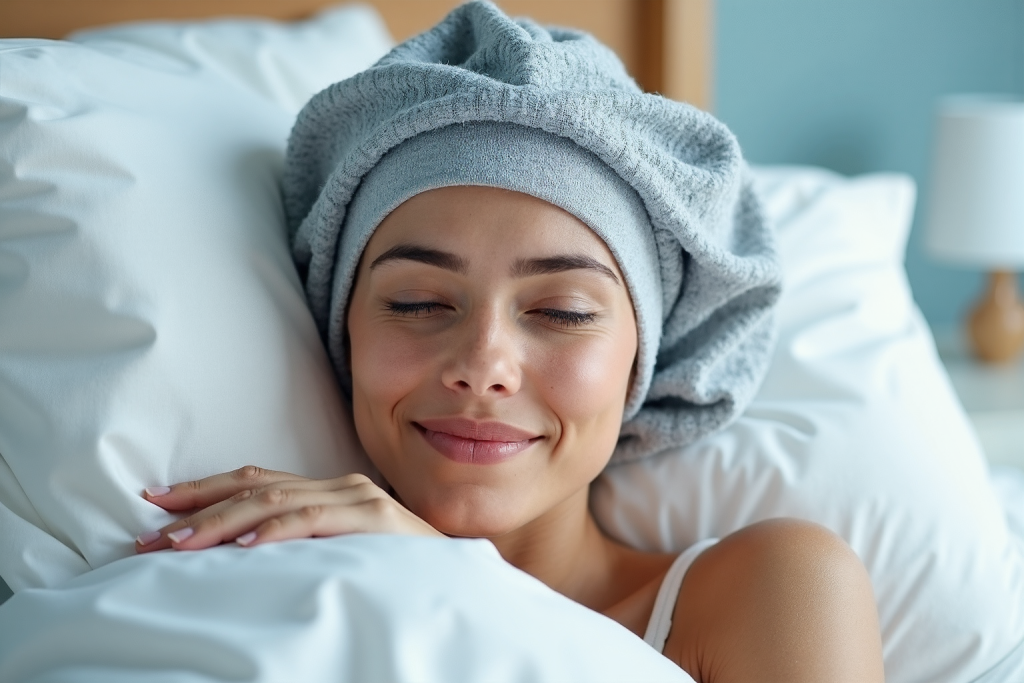
The Unsung Hero of Sleep and Hair: The Resurgence of the Sleep Cap
In the quest for revitalized hair and truly restful sleep, many overlook a surprisingly simple yet effective solution: the sleep cap. Once considered a relic of the past, this unassuming head covering is experiencing a resurgence, championed by those seeking natural and effective ways to enhance both their nighttime slumber and their hair’s vitality. This renewed interest isn’t driven by nostalgia, but by a growing awareness of the significant benefits sleep caps offer for hair health and sleep quality.
From reducing friction and breakage to preserving hairstyles and locking in moisture, the humble sleep cap is proving to be a powerful tool in any hair care and wellness routine. This article delves into the multifaceted benefits of incorporating a sleep cap into your nightly regimen, exploring how it can contribute to improved sleep quality and healthier hair across various hair types. For those struggling with dryness, frizz, or breakage, a sleep cap can be a game-changer.
Imagine waking up to smoother, more manageable hair, without the frustration of tangles and knots. This is the promise of the sleep cap, a promise backed by both anecdotal evidence and the science of hair care. The protective barrier offered by a sleep cap minimizes the abrasive friction that occurs between hair and bedding, a common culprit behind damage and breakage. This is particularly beneficial for those with curly or textured hair, which is more prone to dryness and breakage due to its unique structure.
By creating a gentler sleep environment for your hair, you are effectively safeguarding it against damage and promoting healthier growth. Furthermore, sleep caps can help maintain moisture balance, a crucial factor in hair health. Dry, brittle hair is more susceptible to breakage and damage, and a sleep cap, especially one made of silk or satin, can help prevent moisture loss during the night. This is especially valuable for individuals living in dry climates or those who use hair products that tend to dry out the hair.
In addition to hair health, sleep caps can indirectly improve sleep quality. For some, hair-related discomfort, such as tangles or pulling, can disrupt sleep. By containing the hair, a sleep cap can reduce these disturbances, promoting a more peaceful and uninterrupted night’s rest. This contributes to a holistic approach to wellness, where hair care and sleep health intersect to create a more balanced and revitalized you. Whether you’re seeking to minimize breakage, tame frizz, or simply enhance your sleep experience, the sleep cap offers a simple, natural solution that can significantly impact both your hair and your overall well-being.
Minimizing Friction: The Key to Reducing Hair Breakage
A sleep cap’s biggest plus is how it cuts down on friction, a major cause of hair damage. Every night, tossing and turning makes hair rub against pillows and bedding. This constant rubbing can lead to breakage, split ends, and frizz, eventually weakening hair health and making it look dull. The cap forms a shield, lessening friction so hair slides smoothly against its surface, keeping strands intact and reducing nighttime wear and tear.
This barrier matters most for those with dry, brittle, or chemically treated hair, which is more prone to damage from friction. It’s like a soft cocoon, protecting hair from the rough forces that cause a lifeless look. For people using natural sleep aids or aiming for better rest, a cap might help indirectly. While it’s not a traditional sleep aid, less hair-related discomfort can make falling asleep easier.
Tangled or pulled hair during sleep can wake you up, breaking your rest cycles. By holding hair in place, a cap reduces these jolts, leading to deeper, more uninterrupted sleep. This helps especially with long or textured hair, which tangle easily. Adding a cap to your nighttime routine is a simple way to boost both hair health and sleep.
Material choice makes a big difference. Silk and satin caps are top picks because they’re smooth and cut friction. Hair glides easily against these fabrics, lowering breakage. They also don’t soak up moisture like cotton, keeping hair hydrated—key for curly or coily hair that dries out fast. Silk and satin create a damp pocket around hair, locking in moisture and helping curls stay defined.
Cotton caps breathe well but absorb moisture, which can dry hair and worsen frizz, making them less ideal for dry or textured types. Picking the right material is crucial for your hair and sleep goals. Over time, less breakage and better moisture control mean healthier, shinier hair that’s easier to manage.
Protecting hair from nightly friction and moisture loss helps maintain natural oils and proteins, which keep hair strong and elastic. This reduces breakage and split ends, improving shine and manageability long-term. Using a cap regularly is a proactive step for lasting hair health.
Taming Frizz and Preserving Hairstyles Overnight
Sleep caps do more than just prevent breakage. They play a key role in the daily fight against frizz and help maintain carefully crafted hairstyles. Friction that causes damage also disrupts the hair’s cuticle, lifting it and creating frizz and flyaways. This is especially true for textured or curly hair, where nighttime movement easily disturbs natural curl patterns. By gently holding hair in place within a silk or satin cap, you reduce this disruption, letting your hair keep its shape and smoothness overnight.
Using a sleep cap can cut morning styling time, a major perk for busy people. One big advantage is extending the life of your hairstyle, whether it’s a salon blowout, defined curls, or intricate braids. For those who spend time styling, the cap acts as a shield, stopping styles from unraveling during sleep.
This matters most for people using heat tools, as it lowers the need for daily touch-ups. That reduces heat damage and dryness. Less restyling also means fewer products, leading to a more natural hair care routine. In wellness terms, this saved time and less morning stress can create a calmer start to the day. Beyond style, sleep caps help overall hair health. Frizz often signals dryness or damage, and by cutting friction and keeping hair aligned, they tackle these issues. Silk or satin’s smooth surface lets hair glide without pulling, lowering cuticle damage and frizz risk.
This is vital for those with dry or coarse hair, who struggle with frizz. Using a cap becomes a proactive step for healthier, easier-to-manage hair. It fits into the trend of holistic self-care, focusing on natural sleep aids and preventative care. Adding a cap to your nighttime routine can also promote relaxation and better sleep.
Like applying skincare or brewing herbal tea, putting on a cap can signal the end of the day. It encourages calm, especially for those with sleep issues. A consistent bedtime routine helps regulate the body’s sleep cycle. Caring for hair this way can be self-care, boosting both physical and mental well-being.
Comfortable routines are key to restful sleep, and a cap fits into that. Choosing silk or satin adds luxury to the ritual. The benefits go beyond hair protection—they help maintain styles, control frizz, and support hair health. By reducing friction and preserving hair’s natural position, caps make hair easier to manage and healthier. When part of a mindful routine, they can also ease relaxation and improve sleep. This simple tool aligns with natural hair care during sleep, offering a practical fix for common issues while supporting overall well-being.
Locking in Moisture: The Secret to Hydrated Hair
Hydration is the cornerstone of healthy hair, playing a crucial role in its strength, elasticity, and overall vibrancy. Sleep caps contribute significantly to moisture retention, especially for those with naturally dry or textured hair. Many individuals are unaware that traditional cotton pillowcases absorb moisture from the hair throughout the night, leaving it dry, brittle, and prone to breakage. This is particularly detrimental for curly and coily hair types, which are naturally drier and more susceptible to moisture loss.
A sleep cap, especially one crafted from silk or satin, acts as a protective barrier against this nightly dehydration. These luxurious materials create a smooth, frictionless surface that allows the hair to glide effortlessly, preventing the moisture-wicking effect of cotton. By retaining the hair’s natural oils and added moisturizing products, a sleep cap helps maintain optimal hydration levels, resulting in softer, more manageable, and healthier-looking strands. This moisture preservation translates to reduced frizz, increased shine, and improved manageability, simplifying your morning hair care routine.
For those following the Curly Girl Method or other low-manipulation hair care regimens, a sleep cap becomes an indispensable tool for preserving curl definition and minimizing disruption overnight. Beyond the benefits for naturally dry hair, sleep caps offer significant advantages for all hair types seeking enhanced moisture retention. Even individuals with straight or fine hair, who may not experience dryness as acutely, can benefit from the protective barrier a sleep cap provides. Environmental factors like air conditioning and heating can strip hair of moisture, regardless of its texture.
A sleep cap helps mitigate these effects, ensuring that hair remains hydrated and less susceptible to damage. Furthermore, those who invest time and effort in applying leave-in conditioners or hair treatments before bed can maximize the efficacy of these products by wearing a sleep cap. The cap prevents the product from being absorbed by the pillowcase, allowing it to penetrate the hair shaft more effectively throughout the night. This targeted hydration promotes deeper conditioning and enhances the overall health and appearance of the hair.
The science behind moisture retention underscores the value of a sleep cap. Hydrated hair is less prone to breakage and split ends, as the moisture strengthens the hair shaft and improves its elasticity. This means fewer trips to the salon for damage control and more time enjoying healthy, vibrant hair. Moreover, maintaining adequate moisture levels in the hair contributes to a healthier scalp environment. A dry scalp can lead to flaking, itching, and even inflammation.
Yet, by preserving moisture in the hair, sleep caps indirectly support scalp health, reducing the risk of these uncomfortable and unsightly conditions. Incorporating a sleep cap into your nightly routine is a proactive step towards achieving optimal hair health, regardless of your hair type. It’s a simple yet powerful tool that complements other hair care practices and contributes to long-term hair health and vitality. From a wellness perspective, the benefits of hydrated, healthy hair extend beyond mere aesthetics.
Our hair is often a reflection of our overall well-being, and having healthy hair can contribute to increased self-confidence and a positive self-image. By incorporating a sleep cap into your nighttime routine, you are not only investing in the health of your hair but also in your overall sense of well-being. The simple act of putting on a sleep cap can become a part of a relaxing bedtime ritual, signaling to your body that it’s time to unwind and prepare for a restful night’s sleep. This mindful approach to hair care aligns with broader wellness practices that emphasize self-care and the importance of establishing healthy routines. The sleep cap emerges as a versatile tool that supports both hair health and overall wellness, promoting a holistic approach to self-care.
Improving Sleep Quality: Beyond Hair Health
Beyond its recognized advantages for hair health, the sleep cap contributes to improved sleep quality, a critical component of overall wellness. While often overlooked, hair-related discomfort, such as tangling, pulling, or simply the feeling of hair against the face and neck, can significantly disrupt sleep. By gently containing the hair, a sleep cap minimizes these disturbances, promoting a more peaceful and uninterrupted night’s rest. This is particularly beneficial for those with long or textured hair, which is more prone to tangling and movement during sleep.
A silk or satin sleep cap further enhances this benefit due to its smooth, frictionless surface, reducing the likelihood of hair pulling or catching. This can lead to fewer awakenings and improved sleep duration, contributing to better overall sleep quality and, consequently, enhanced daytime functioning and mood. Furthermore, incorporating a sleep cap into one’s nightly routine can foster a sense of relaxation and signal the transition to sleep. Similar to other calming bedtime rituals, like reading or taking a warm bath, the act of putting on a sleep cap can become a cue for the body and mind to wind down, promoting a sense of security and preparing for rest.
But this mindful practice can be especially helpful for individuals who struggle with insomnia or anxiety. The gentle pressure of the cap against the scalp can also have a subtly calming effect, further enhancing relaxation. This aspect of sleep cap use aligns with broader wellness practices that emphasize mindfulness and self-care in promoting better sleep hygiene. By establishing a consistent and calming bedtime routine, including the use of a sleep cap, individuals can create a more conducive environment for restorative sleep.
The benefits extend beyond simply containing hair; sleep caps also play a vital role in preserving hairstyles and minimizing frizz, which can indirectly improve sleep quality. Waking up to tangled, frizzy hair can be a source of stress and frustration, negatively impacting one’s mood and potentially disrupting the morning routine. A sleep cap, particularly one made of silk or satin, helps maintain moisture and reduces friction, preventing frizz and preserving hairstyles overnight. This can lead to a more positive start to the day, reducing stress and promoting a sense of well-being.
For individuals with curly or coily hair, this moisture retention is crucial for preventing dryness and breakage, further contributing to healthier hair and a smoother morning routine. This reduction in morning hair-related stress indirectly supports better sleep by promoting a more positive and relaxed mindset, contributing to a more balanced sleep-wake cycle. The impact of a sleep cap on hair health also indirectly supports better sleep. By minimizing breakage and split ends, a sleep cap helps maintain the overall health and integrity of the hair, reducing the need for frequent trims and styling.
This can save time and effort in the morning, contributing to a less rushed and more relaxed start to the day. This, in turn, can positively influence mood and stress levels, indirectly supporting better sleep. Furthermore, healthy, well-maintained hair can boost self-esteem and confidence, promoting a more positive self-image and reducing anxiety, which can further contribute to improved sleep quality. In essence, the sleep cap, by protecting and preserving hair health, contributes to a holistic sense of well-being that positively influences both sleep quality and overall wellness.
Finally, for individuals experiencing hair loss or scalp sensitivity, a sleep cap can offer additional comfort and protection during sleep. The soft, smooth material of a silk or satin sleep cap can create a soothing barrier against the pillowcase, minimizing irritation and friction on the scalp. This can be particularly beneficial for those undergoing treatments for hair loss or those with sensitive scalps prone to inflammation. By reducing discomfort and promoting a more restful sleep environment, the sleep cap can indirectly support the body’s natural healing and regenerative processes, contributing to both hair and scalp health. This added comfort and protection can significantly improve sleep quality for those experiencing hair-related sensitivities, further highlighting the multifaceted benefits of this often-underappreciated sleep accessory.
Tailoring Benefits: Sleep Caps for Different Hair Types
While the advantages of sleep caps extend across various hair types, the specific benefits are tailored to individual needs and textures. Understanding these nuances is crucial for maximizing the efficacy of this simple yet powerful tool in your hair care and sleep routines. For those with curly or coily hair, prone to dryness and frizz, a sleep cap becomes an indispensable ally. These hair types benefit significantly from the moisture retention provided by a sleep cap, particularly those made of silk or satin.
On the flip side, these materials create a barrier that prevents the absorption of natural oils by cotton pillowcases, a common culprit behind dry, brittle hair and disrupted curl patterns. By minimizing this moisture loss, sleep caps help maintain hydration, definition, and manageability, ultimately contributing to healthier, more vibrant curls. Furthermore, the smooth surface of silk or satin reduces friction, a major factor in frizz formation and breakage, allowing curls to remain smooth and intact overnight. This translates to less styling time in the morning and reduced need for potentially damaging heat styling tools.
But for individuals with straight or fine hair, the benefits of a sleep cap center around reducing breakage and tangling. The constant friction against pillows during sleep can weaken the hair shaft, leading to split ends and an overall lackluster appearance. A sleep cap acts as a protective shield, minimizing this friction and preserving the integrity of the hair strands. This is particularly beneficial for those with fine hair, which is more susceptible to breakage. Furthermore, by containing the hair within the cap, tangles are significantly reduced, making morning styling a breeze and reducing the risk of further damage caused by detangling.
Even those with protective styles, such as braids, weaves, or extensions, can reap the rewards of incorporating a sleep cap into their nightly routine. These styles often require significant time and investment, and a sleep cap helps preserve their integrity and longevity. By minimizing friction and preventing the unraveling of braids or the loosening of extensions, a sleep cap extends the lifespan of the hairstyle, reducing the frequency of costly and time-consuming maintenance appointments. Moreover, a sleep cap can provide a layer of comfort and security for those with protective styles, further enhancing sleep quality.
Choosing the right material is paramount for maximizing benefits. Silk and satin are often recommended for their smooth, friction-reducing properties and their ability to retain moisture. However, for those with sensitive scalps or allergies, hypoallergenic options should be explored. Regardless of hair type or style, selecting a sleep cap that fits comfortably yet securely is essential for preventing slippage and ensuring uninterrupted sleep. Proper fit also ensures optimal effectiveness in minimizing friction and maintaining moisture, contributing to both healthier hair and a more restful night’s sleep.
Choosing the Right Sleep Cap: Material and Fit Matters
Choosing the right sleep cap can maximize benefits for both hair health and sleep quality. The material matters a lot—silk and satin stand out because their smooth texture reduces friction on hair. This helps prevent breakage and split ends by avoiding constant tugging. Unlike cotton or other absorbent fabrics, these don’t pull moisture from strands, keeping hair hydrated while you sleep.
On the flip side, people with dry, brittle, or curly hair especially benefit since they need extra moisture retention. Silk sleep caps often win here due to their gentle touch and ability to lock in hydration. Cotton, though breathable, tends to absorb moisture, which can dry out hair and cause frizz. If you go with cotton, pairing it with a leave-in treatment might help offset the drying.
Comfort also plays a role. A cap that’s too tight can irritate the scalp or cut off blood flow, harming hair follicles. One that’s too loose might slip off, making it useless. The best fit stays put without pressure—look for adjustable straps or flexible elastic. Testing it for a short time before bed can reveal if it’s comfortable enough for the whole night.
Hair volume and style matter too. Those with thick or styled hair need a larger cap to avoid flattening strands. Long hair requires extra depth to hold everything without pulling. Some caps offer adjustability, letting you customize the fit. The aim is full coverage without discomfort or constant readjustment during sleep.
Proper fit isn’t just about hair—it affects sleep quality. A cap that causes itching or shifting can disrupt rest. Matching the cap to your needs ensures it works as both a hair protector and a sleep aid. Silk or satin are top picks for frizz control and moisture, while cotton might suit those prioritizing breathability, provided they add extra hydration steps.
Testing different materials, sizes, and designs can lead to the best match. The right choice balances hair protection with comfort, directly supporting healthier hair and more restful sleep. This personal approach ensures your nighttime routine is effective without sacrificing ease.
The Science and Anecdotal Evidence Behind Sleep Cap Benefits
While rigorous scientific studies specifically dedicated to sleep cap efficacy remain limited, the fundamental principles underpinning their benefits are firmly rooted in established hair science. Trichologists and dermatologists widely acknowledge the detrimental role of friction in hair damage, contributing to breakage, split ends, and overall weakening of the hair shaft. This understanding aligns perfectly with the positive effects reported by countless sleep cap users. The reduction of friction between hair and bedding, a key function of sleep caps, directly addresses this concern, minimizing damage and promoting healthier hair growth.
Furthermore, the importance of moisture retention for hair health, especially for curly and coily hair types prone to dryness, is well-documented. Sleep caps, particularly those made of silk or satin, create a barrier that helps lock in moisture, preventing the absorption often seen with cotton pillowcases. This preservation of natural oils contributes to improved hydration, manageability, and reduced frizz. Many dermatologists recommend sleep caps as a preventative measure, particularly for individuals with chemically treated, fragile, or damaged hair, recognizing the protective benefits this simple practice offers.
The anecdotal evidence supporting the benefits of sleep caps is substantial and compelling. Online forums and social media platforms are filled with testimonials from users praising the positive impact sleep caps have had on their hair health. Commonly cited benefits include reduced breakage and frizz, improved curl definition, and enhanced moisture retention. For instance, individuals with curly hair often report waking up with more defined, less frizzy curls after using a satin-lined sleep cap. Those with fine, straight hair appreciate the reduction in tangles and breakage, making morning styling easier and less damaging.
Here’s the thing: these real-world experiences, while not replacing clinical trials, provide valuable insights into the practical advantages of incorporating sleep caps into a hair care routine. Moreover, the protective qualities of sleep caps extend to various hairstyles, including braids, weaves, and extensions, helping to maintain their integrity and prolong their lifespan. Beyond the direct hair benefits, sleep caps can contribute to improved sleep quality, aligning with the broader wellness category. By minimizing hair-related discomfort, such as tangles and pulling, sleep caps can promote a more restful and uninterrupted sleep.
This indirect benefit further enhances overall well-being, as quality sleep is essential for physical and mental health. The act of putting on a sleep cap can also become part of a relaxing bedtime ritual, signaling to the mind that it’s time to wind down and prepare for sleep, similar to other sleep hygiene practices. This integration of a sleep cap into a holistic wellness routine can contribute to a more calming and restorative sleep experience. Incorporating a sleep cap into one’s nightly routine represents a proactive and natural approach to both hair care and sleep health, offering a simple yet effective strategy for enhancing overall wellness.
Embrace the Sleep Cap: A Simple Solution for Healthier Hair and Better Sleep
The sleep cap, once relegated to the back of the linen closet as a seemingly outdated accessory, is experiencing a well-deserved resurgence, proving its worth as a simple yet remarkably effective tool for enhancing both the quality of your sleep and the vitality of your hair. More than just a nostalgic throwback, the sleep cap offers a natural, cost-effective solution for addressing a range of hair care concerns, from minimizing breakage and frizz to maximizing moisture retention, all while contributing to a more restful night’s sleep.
By creating a protective barrier against the friction caused by tossing and turning during sleep, a sleep cap significantly reduces hair breakage, split ends, and the morning frizz often caused by contact with cotton pillowcases. This is particularly beneficial for those with textured, curly, or coily hair, which are more susceptible to dryness and breakage. For those with straight or fine hair, the protective benefits extend to minimizing tangles and knots, streamlining your morning routine.
Beyond breakage and frizz control, sleep caps play a crucial role in preserving elaborate hairstyles, maintaining the definition of curls, and extending the life of your blowout, ultimately saving you time and styling effort. The beauty of the sleep cap lies in its simplicity and versatility, offering tailored benefits for diverse hair types and textures. The moisture-retaining properties of sleep caps, particularly those made of silk or satin, are a game-changer for hair health. These luxurious materials create a frictionless environment that helps the hair retain its natural oils and moisture, preventing the dryness and brittleness often exacerbated by absorbent cotton pillowcases.
This is especially crucial for individuals with curly or coily hair, which tends to be naturally drier and requires extra care to maintain hydration and prevent breakage. Furthermore, the gentle embrace of a sleep cap can indirectly contribute to improved sleep quality. By securing the hair and preventing tangles or pulling, it eliminates a common source of nighttime discomfort, allowing for a more peaceful and uninterrupted sleep. This aligns with the principles of sleep hygiene and the growing recognition of the interconnectedness between sleep, wellness, and overall health.
The act of incorporating a sleep cap into your nightly routine can also become a calming ritual, signaling to your body that it’s time to wind down and prepare for rest, further promoting relaxation and better sleep. While scientific studies specifically focusing on sleep caps and hair health are limited, the underlying principles behind their benefits are well-established within the fields of dermatology and trichology. The understanding of friction’s role in hair damage and the importance of moisture retention for healthy hair aligns perfectly with the positive anecdotal evidence reported by countless sleep cap users.
Many hair care professionals now recommend sleep caps as a proactive measure for protecting hair and maintaining its health. When choosing a sleep cap, consider the material and fit. Silk and satin are generally preferred for their smooth, non-absorbent qualities, while cotton, though breathable, can absorb moisture from the hair. Ensure the cap fits comfortably without being too tight to avoid discomfort and potential hair breakage. Embracing the sleep cap is a small yet significant step towards prioritizing both your hair care and sleep health, contributing to a more holistic approach to overall wellness. By incorporating this simple yet effective tool into your nightly routine, you’re investing in the long-term health and vitality of your hair while simultaneously promoting a more restful and rejuvenating sleep experience.