
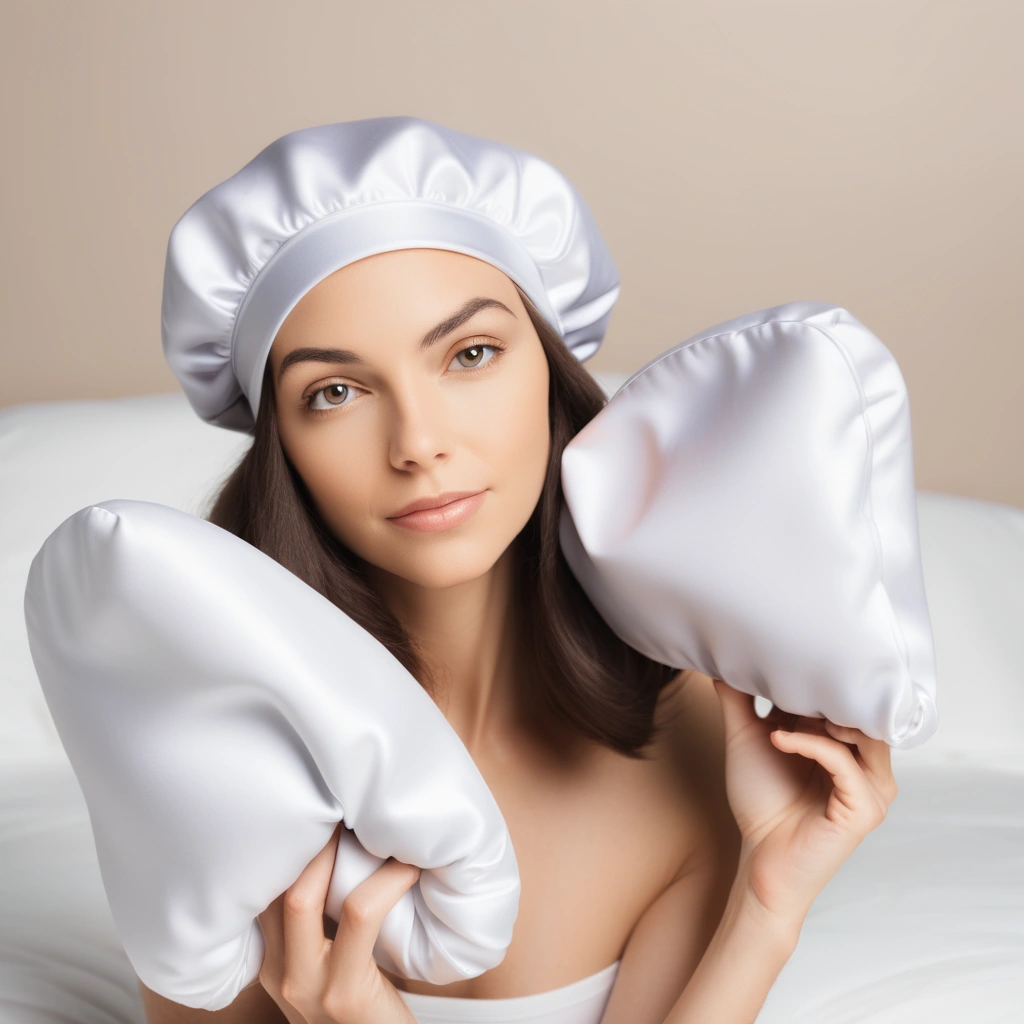
The Ultimate Guide to Sleep Caps for Healthier Hair
Tired of waking up with frizzy hair, tangled knots, and a general sense of hair chaos? A sleep cap might be the transformative solution you’ve been searching for. More than just a bedtime accessory, a thoughtfully chosen sleep cap is an investment in your hair’s long-term health and beauty. This comprehensive guide delves into the world of sleep caps, meticulously comparing silk, satin, and cotton options to empower you to choose the best one tailored to your unique hair type, specific hair concerns, and budget considerations.
We’re not just talking about a quick fix; we’re exploring a holistic approach to hair care while sleeping. Imagine waking up with hair that’s not only tangle-free but also noticeably smoother, shinier, and more manageable. The secret lies in understanding how different materials interact with your hair’s natural oils and moisture levels. Silk, with its luxurious smoothness, minimizes friction, a key factor in reducing breakage and split ends. Satin offers a similar slip, making it a budget-friendly alternative.
Cotton, while readily available, can unfortunately absorb moisture, potentially leaving your hair feeling dry and brittle. Choosing the right sleep cap is akin to selecting the perfect night cream – it’s a targeted treatment that works while you sleep, maximizing the benefits of your other hair care products. We’ll explore the unique properties of each material – silk, satin, and cotton – dissecting their pros and cons with scientific precision and practical examples. For instance, those with curly or natural hair, often prone to dryness, will discover the immense silk sleep cap benefits for retaining crucial moisture and defining curl patterns overnight.
We’ll also address the common cotton sleep cap disadvantages, such as its tendency to cause frizz and absorb essential oils, which can be particularly detrimental for textured hair. Furthermore, we will provide expert advice on maximizing their effectiveness for healthier, more beautiful hair, including proper washing techniques and storage tips to extend the lifespan of your chosen sleep cap. Beyond just the material, we’ll delve into the design features that contribute to a sleep cap’s overall performance.
Consider the fit: a cap that’s too tight can be uncomfortable and even cause breakage around the hairline, while one that’s too loose might slip off during the night, negating its benefits. We’ll discuss adjustable straps, elastic bands, and various cap styles to ensure a secure and comfortable fit, regardless of your sleeping habits. Think of it as finding the perfect pillow for your head, but instead, it is the best sleep cap for your hair.
This is especially important in hair care while sleeping, as consistent use is key to seeing tangible results. Finally, we’ll provide objective product reviews and recommendations, guiding you through the often-overwhelming landscape of sleep cap options. From affordable satin bonnets for hair to investment-worthy silk caps, we’ll highlight the best choices based on expert opinions, user feedback, and rigorous testing. We’ll also offer practical advice on how to choose a sleep cap that aligns with your lifestyle and budget, ensuring that you can achieve healthier, more beautiful hair without breaking the bank. Whether you’re a seasoned sleep cap user or a curious newcomer, this guide will equip you with the knowledge and insights you need to make an informed decision and unlock the secrets to waking up with gorgeous, healthy hair every morning.
Silk vs. Satin vs. Cotton: Understanding the Materials
Silk, a luxurious natural fiber meticulously produced by silkworms, stands as the gold standard in sleep cap materials, celebrated for its unparalleled smooth texture and inherent hypoallergenic properties. This isn’t mere marketing hyperbole; the very structure of silk fibers minimizes friction against the hair shaft, a critical factor in preventing breakage and split ends, especially for delicate or chemically treated hair. Its breathability is another key advantage, helping to regulate temperature and prevent overheating during sleep, a common cause of restless nights and subsequent hair damage.
The benefits of a silk sleep cap extend beyond mere aesthetics; they actively contribute to long-term hair health. For those seeking the best sleep cap to protect their tresses, silk is often the recommended starting point, particularly for individuals with sensitive skin or allergies. Satin, often woven from polyester or nylon, presents itself as a more accessible alternative, cleverly mimicking the smooth surface of silk at a significantly more affordable price point. While it doesn’t quite match silk’s breathability or inherent hypoallergenic qualities, a satin bonnet for hair still offers substantial friction reduction compared to cotton or other coarser materials.
This makes it a viable option for those on a budget who still want to minimize frizz and tangles. However, it’s important to note that the quality of satin can vary greatly. Look for tightly woven satin to ensure maximum smoothness and durability. Furthermore, individuals prone to night sweats might find satin less comfortable than silk due to its lower breathability. Cotton, a natural fiber widely prized for its absorbency and affordability, represents the most budget-friendly option in the sleep cap arena.
However, its inherent characteristics present some disadvantages for hair care while sleeping. The coarser texture of cotton, compared to silk or satin, can create significant friction, potentially leading to increased frizz, breakage, and even matting, especially for curly or textured hair. More critically, cotton’s highly absorbent nature draws moisture away from the hair, which can result in dryness, brittleness, and increased susceptibility to damage. This is a significant cotton sleep cap disadvantage, particularly for individuals with already dry or damaged hair.
Beyond the basic material composition, consider the weave and weight of the fabric. A tighter weave generally indicates a smoother surface and better friction reduction, regardless of whether it’s silk, satin, or even a specially treated cotton. The weight of the fabric can also impact comfort and breathability; lighter fabrics are typically cooler and more comfortable for warmer sleepers. For example, a heavier satin might feel stifling in the summer months, while a lightweight silk offers year-round comfort.
When considering how to choose a sleep cap, these subtle nuances in fabric construction can make a significant difference in the overall experience and effectiveness. Ultimately, the best sleep cap for you depends on your individual hair type, budget, and personal preferences. For those with curly or natural hair, the silk sleep cap benefits are often worth the investment, providing superior moisture retention and frizz control. If you’re seeking a more affordable alternative, a high-quality satin bonnet can offer similar benefits at a lower cost. However, if you opt for cotton, be sure to prioritize deep conditioning treatments and moisturizing hair products to combat potential dryness. Regardless of your choice, incorporating a sleep cap into your nightly routine is a proactive step towards healthier, more manageable hair.
Benefits of Each Sleep Cap for Different Hair Types
Silk sleep caps, crafted from the luxurious natural fibers produced by silkworms, are renowned for their exceptional ability to retain moisture, making them a dream come true for those with dry, brittle, or curly hair. The smooth, frictionless surface of silk minimizes hair breakage and split ends, preserving the integrity of delicate strands. This is particularly beneficial for natural and curly hair textures, which are more prone to dryness and breakage due to their unique structure.
Silk’s inherent breathability also helps regulate temperature, preventing overheating and sweat-induced frizz, contributing to a more comfortable and refreshing sleep experience. For those seeking the ultimate in hair pampering, a silk sleep cap is a worthwhile investment in long-term hair health and vibrancy. Investing in a high-quality silk sleep cap can mean the difference between waking up to a tangled mess and waking up with smooth, manageable tresses. This makes silk sleep caps a staple in many hair care routines, especially for those prioritizing moisture retention and damage prevention.
Satin bonnets offer an excellent alternative to silk, providing many of the same benefits at a more accessible price point. Typically made from polyester or nylon, satin mimics the smooth texture of silk, effectively reducing friction and minimizing frizz and tangles. While not as breathable as silk, satin bonnets still offer a significant improvement over cotton, particularly for those with straight or wavy hair. Satin’s affordability makes it an attractive option for those new to sleep caps or looking to explore their benefits without a significant financial commitment.
Choosing a satin bonnet for hair is a smart way to improve hair health and appearance without breaking the bank. Furthermore, the easy care and wide variety of colors and styles available make satin bonnets a practical and stylish addition to any sleep routine. From protecting hairstyles to minimizing breakage, satin bonnets have carved their place as a hair care essential. Cotton sleep caps, while the most budget-friendly option, may not be the best choice for all hair types.
Cotton’s absorbent nature can draw moisture away from hair, potentially leading to dryness, especially for those with naturally dry or curly hair. The relatively rough texture of cotton, compared to silk or satin, can also create friction, leading to breakage and frizz. However, cotton sleep caps can be suitable for those with oily hair or those who simply need a lightweight covering to protect their hair from tangles while sleeping. Understanding the cotton sleep cap disadvantages is crucial for making an informed decision about which sleep cap material best suits your individual hair needs.
While a cotton sleep cap may suffice for some, others may find its moisture-wicking properties detrimental to their hair health. For those seeking maximum moisture retention and frizz reduction, silk or satin options are generally recommended. Choosing the best sleep cap involves considering your hair type, budget, and desired level of protection. If you have curly or natural hair and struggle with dryness and breakage, a silk sleep cap is an investment that will pay dividends in improved hair health.
For those on a budget or with less demanding hair, a satin bonnet offers a great balance of affordability and effectiveness. Understanding how to choose a sleep cap that aligns with your specific hair needs and budget will ensure you reap the maximum benefits. Consider factors like hair length, texture, and sleeping habits when making your selection. Whether you opt for the luxurious feel of silk, the budget-friendly practicality of satin, or the simple utility of cotton, incorporating a sleep cap into your routine can significantly enhance your hair care regimen and contribute to healthier, more vibrant locks. Start exploring the world of sleep caps and discover the transformative power of protecting your hair while you sleep.
Potential Drawbacks of Each Material
While the allure of silk sleep cap benefits is undeniable, the higher price point can be a significant barrier for many. High-quality silk, particularly mulberry silk with a high momme weight (a measure of silk’s density), commands a premium due to its labor-intensive production and superior qualities. Furthermore, the delicate nature of silk necessitates hand-washing with specialized detergents to prevent damage and maintain its smoothness. This added care routine, while contributing to the longevity of the cap, can be time-consuming and may deter those seeking low-maintenance hair care solutions.
For example, improper washing or drying can lead to the silk fibers becoming brittle, diminishing its ability to protect the hair and negating the very benefits that made it attractive in the first place. This makes understanding the care requirements crucial before investing in a silk sleep cap for hair care while sleeping. Satin bonnets for hair offer a more budget-friendly alternative, but it’s important to acknowledge that not all satins are created equal. Many affordable satin options are made from polyester, which, while smooth to the touch, lacks the breathability of natural silk.
This can lead to a buildup of heat and moisture within the cap, potentially creating an unfavorable environment for the scalp and hair. This trapped moisture can, ironically, contribute to frizz, the very problem the sleep cap is intended to solve. Furthermore, lower-quality satin may not possess the same level of smoothness as silk, leading to increased friction and, consequently, potential breakage, especially for delicate or chemically treated hair. Therefore, carefully considering the fabric composition and opting for higher-quality satin blends can mitigate some of these drawbacks.
Cotton sleep cap disadvantages primarily stem from its absorbent nature. While this is a desirable quality in towels and clothing, it becomes problematic when used as a hair covering. Cotton fibers readily draw moisture away from the hair, potentially leaving it feeling dry, brittle, and prone to breakage. This is particularly detrimental for individuals with curly or natural hair, which tends to be naturally drier and more susceptible to moisture loss. The rough texture of cotton can also create friction, leading to tangles, frizz, and even damage to the hair cuticle.
Imagine waking up to hair that feels like straw – this is a common experience for those relying solely on cotton sleep caps, especially in drier climates or during winter months. Beyond moisture absorption, the very structure of cotton fibers presents a challenge. Unlike the smooth, continuous filaments of silk or even the tightly woven structure of good quality satin, cotton fibers are relatively short and have a more open weave. This means that hair strands can easily become caught and tangled within the fabric, increasing the likelihood of breakage and split ends.
This is especially true for individuals who toss and turn during the night. The constant friction between the hair and the cotton fibers can gradually weaken the hair shaft, leading to long-term damage. Therefore, while a cotton sleep cap may seem like a convenient and affordable option, its potential drawbacks should be carefully weighed, especially for those with delicate or easily damaged hair. Ultimately, understanding these potential drawbacks is crucial for making an informed decision about the best sleep cap for your needs.
While silk offers unparalleled benefits for hair health, its cost and care requirements may not be feasible for everyone. Satin provides a more affordable alternative, but careful consideration must be given to the fabric composition to ensure adequate breathability and smoothness. Cotton, while readily available and inexpensive, is generally not recommended as a primary sleep cap material due to its moisture-absorbing and friction-inducing properties. By weighing these factors and considering your individual hair type and lifestyle, you can choose a sleep cap that effectively protects your hair and promotes healthier, more vibrant locks. Thinking about how to choose a sleep cap should involve balancing cost, maintenance and material to optimize sleep and hair health.
Choosing the Right Sleep Cap for Your Needs
Choosing the right sleep cap involves carefully weighing your hair’s specific needs, financial constraints, and personal comfort. For individuals with curly or natural hair, which tends to be drier and more prone to breakage, the silk sleep cap benefits are often worth the investment. The smooth fibers of silk minimize friction, helping to retain precious moisture and reduce frizz, leading to healthier, more defined curls. Think of it as an overnight spa treatment for your hair, actively working to improve its condition while you sleep.
Moreover, silk’s hypoallergenic properties are a bonus for sensitive skin, further enhancing its appeal as a beauty and sleep aid. However, if budget is a primary concern, a satin bonnet for hair presents a compelling alternative. While not possessing all the inherent qualities of natural silk, satin effectively mimics its smoothness, providing a similar level of friction reduction at a significantly lower cost. Many find that a satin sleep cap adequately protects their hair from tangling and frizzing during the night, making it a practical and economical choice.
Product reviews often highlight the value proposition of satin, emphasizing its accessibility and effectiveness for general hair care while sleeping. It’s a smart entry point for those new to sleep caps or seeking a budget-friendly option. Cotton sleep cap disadvantages become apparent when compared to silk and satin, particularly for those with dry or textured hair. Cotton’s absorbent nature can wick away moisture from the hair, potentially leading to dryness, brittleness, and increased breakage. However, for individuals with straight, less porous hair that doesn’t readily lose moisture, a cotton sleep cap may suffice.
It can help keep hair neatly in place and protect it from dust and environmental factors during sleep. Consider it a basic level of protection, suitable for those with minimal hair concerns. Beyond material, consider the fit and style of the sleep cap. Some prefer a snug fit to ensure the cap stays in place throughout the night, while others opt for a looser fit for greater comfort. Adjustable straps or elastic bands can help customize the fit.
The best sleep cap is one that you’ll consistently wear, so prioritize comfort and ease of use. For example, those with long or voluminous hair might prefer an extra-large bonnet or a turban-style cap to accommodate their hair without causing discomfort. Ultimately, how to choose a sleep cap depends on a holistic assessment of your individual needs. If you have curly or natural hair, prioritize silk or high-quality satin to maximize moisture retention and minimize frizz. If you’re on a tight budget, satin offers a reasonable compromise. And if you have straight, healthy hair, cotton may be a sufficient and affordable option. Regardless of your choice, incorporating a sleep cap into your nightly routine is a simple yet effective way to promote healthier, more beautiful hair. Regular use can lead to noticeable improvements in hair texture, manageability, and overall appearance, making it a worthwhile addition to your hair care regimen.
Caring for Your Sleep Cap
“Caring for Your Sleep Cap: Ensuring Longevity and Hygiene”\n\nProper care for your sleep cap is essential to maintain its effectiveness and prolong its lifespan. Different materials require different approaches, so understanding the nuances of silk, satin, and cotton care will help you keep your sleep cap in top condition, maximizing its hair health benefits. This not only protects your investment but also ensures the cap continues to provide the optimal environment for your hair as you sleep.\n\nSilk sleep caps, known for their luxurious feel and hair-friendly properties, demand gentle handling.
Hand-washing in cold water with a mild, pH-balanced detergent is crucial to preserve the delicate silk fibers. Avoid harsh chemicals and scrubbing, which can damage the material and diminish its smoothness. After washing, gently roll the cap in a towel to absorb excess water and then allow it to air dry completely. Avoid direct sunlight or heat, which can weaken the silk. For those seeking convenience, some high-quality silk sleep caps can be machine-washed on a delicate cycle in a mesh laundry bag.
Always check the manufacturer’s instructions for specific care recommendations to ensure the longevity of your silk sleep cap. Investing in a silk sleep cap offers numerous benefits, including reduced frizz and breakage, making proper care essential. This makes it a worthwhile investment for those with curly or natural hair seeking to maintain moisture and enhance their hair’s health while sleeping.\n\nSatin sleep caps, a more affordable alternative to silk, offer greater flexibility in cleaning. While hand-washing is still a gentle and effective method, most satin bonnets can be machine-washed.
Opt for a delicate cycle with cold water and a mild detergent. Avoid using bleach or fabric softeners, as these can coat the satin and reduce its friction-reducing properties, potentially leading to tangles and frizz. Air drying is recommended, but if using a dryer, choose a low heat setting to prevent damage. Satin bonnets provide a good balance of affordability and effectiveness for hair care while sleeping, making them a popular choice for many. The ease of care for satin bonnets adds to their appeal.\n\nCotton sleep caps are the easiest to care for due to their durability.
They can be machine-washed with regular detergent and warm water. However, hot water can shrink cotton fibers, so it’s best to stick with warm or cold temperatures. Tumble drying on a low setting is generally safe, but air drying helps maintain the cap’s shape and prolong its life. While cotton sleep caps are a budget-friendly option, it’s important to consider the potential disadvantages of cotton sleep caps. Cotton’s absorbency, while beneficial for some purposes, can draw moisture away from hair, leading to dryness, especially for those with curly or natural hair.
This makes choosing the right sleep cap material crucial for achieving desired results. Understanding the properties of each material and considering individual hair needs can help you select the best sleep cap for optimal hair care while sleeping.\n\nRegardless of the material, regular cleaning of your sleep cap is essential for hygiene. Body oils, hair products, and environmental pollutants can accumulate on the fabric, potentially leading to scalp irritation or breakouts. Cleaning your sleep cap at least once a week, or more frequently if you use styling products, will help maintain a healthy sleep environment for your hair and scalp. Proper care not only extends the life of your sleep cap but also contributes to healthier, more vibrant hair. Choosing the best sleep cap involves considering factors such as hair type, budget, and personal preferences. By understanding the benefits and drawbacks of silk, satin, and cotton, you can wake up to healthier hair.
Conclusion: Wake Up to Healthier Hair
Investing in a sleep cap can significantly improve your hair health, transforming your morning routine and contributing to more vibrant, manageable locks. By understanding the properties of silk, satin, and cotton, and considering your individual hair needs and budget, you can choose the perfect sleep cap to wake up to healthier hair. This culminates in less breakage, reduced frizz, and preserved hairstyles, ultimately saving you time and effort in your daily hair care regimen. Silk sleep caps, often lauded as the ultimate hair care accessory, offer a wealth of benefits.
The smooth, frictionless surface of silk minimizes tangles and breakage, making it particularly beneficial for those with delicate, curly, or natural hair. “Silk’s natural breathability also helps regulate temperature and prevent overheating during sleep, which can contribute to dryness,” explains renowned hair stylist, [Insert Expert Name/Credential]. This makes silk an excellent choice for maintaining moisture and reducing frizz, especially for those with dry or damaged hair. However, the “silk sleep cap benefits” come at a premium price, making it a considered investment.
For example, a high-quality silk sleep cap can range from $30-$50, depending on the brand and design. If you’re on a budget, a “satin bonnet for hair” offers a compelling alternative. Satin, typically made from polyester or nylon, mimics the smooth texture of silk at a more affordable price point, generally ranging from $10-$20. While not as breathable as silk, satin still effectively minimizes friction and tangles, making it a popular choice for many. “Satin bonnets are particularly helpful for preserving elaborate hairstyles like braids or twists,” notes [Insert Expert Name/Credential], a leading beauty blogger.
This makes satin an excellent option for those seeking to maintain their hairstyle overnight and reduce styling time in the morning. Cotton sleep caps, while the most budget-friendly option, present certain “cotton sleep cap disadvantages” when it comes to hair health. Cotton’s absorbent nature can draw moisture away from the hair, leading to dryness and increased frizz, especially for curly or natural hair. This makes cotton a less suitable choice for those seeking to retain moisture and combat frizz.
However, for individuals with straight, low-maintenance hair, a cotton sleep cap can still offer some protection against tangles and breakage during sleep. Choosing the “best sleep cap” depends on your individual hair type and needs. “For curly or natural hair prone to dryness and breakage, a silk sleep cap is a worthwhile investment,” advises [Insert Expert Name/Credential], a trichologist specializing in hair health. If you’re looking for an affordable option that still effectively minimizes frizz and tangles, a satin bonnet is a great choice.
Understanding “how to choose a sleep cap” involves considering your hair type, budget, and desired level of protection. Ultimately, incorporating a sleep cap into your routine, regardless of the material, contributes to healthier, more manageable hair in the long run. By prioritizing “hair care while sleeping”, you’re taking proactive steps towards achieving your hair goals. No matter which material you choose, proper care is essential for extending the lifespan of your sleep cap. Silk sleep caps require delicate hand-washing, while satin and cotton options can typically be machine-washed. By following the care instructions, you can ensure your sleep cap continues to provide optimal benefits for your hair health journey.