
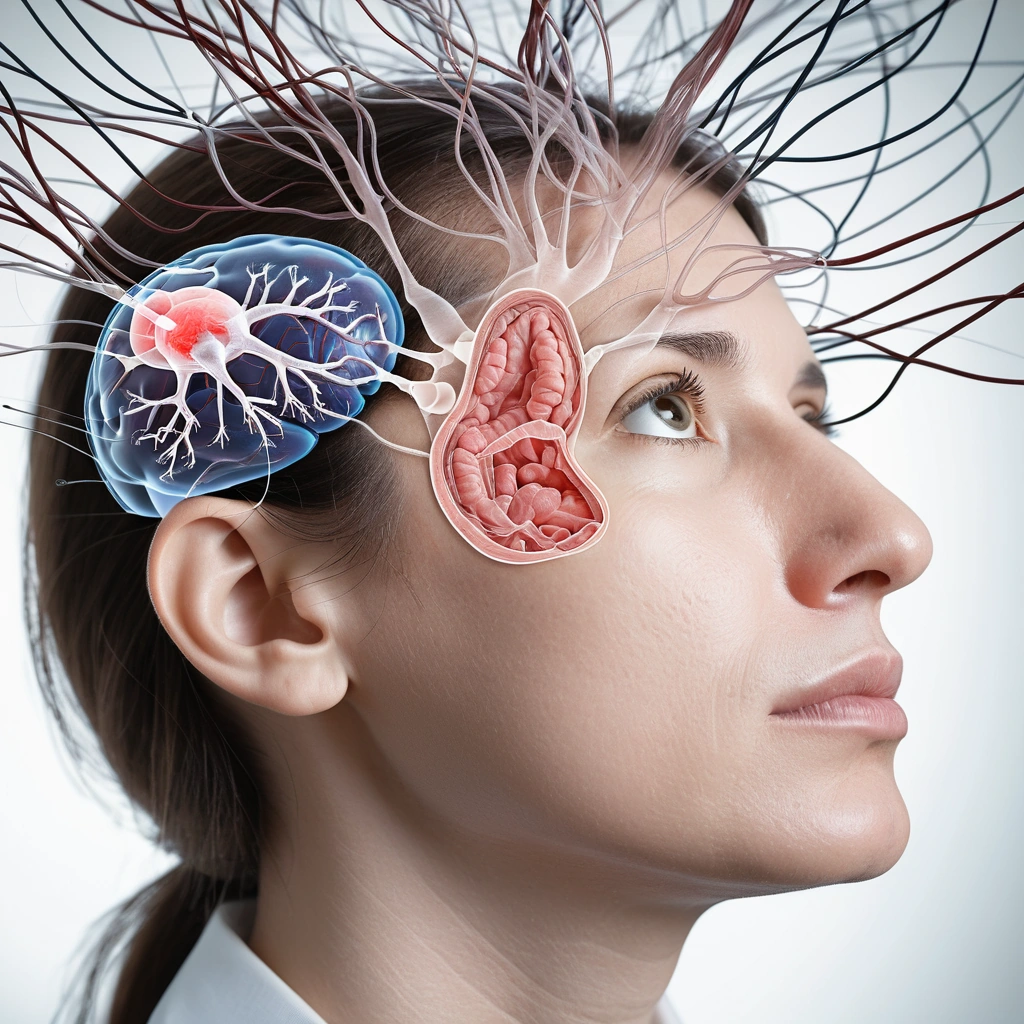
Unlocking the Migraine Mystery: A New Era of Neurological Research
Migraine, a debilitating neurological disorder affecting millions worldwide, has long been a source of mystery and frustration for both patients and clinicians. However, recent years have witnessed an explosion of migraine research, offering unprecedented insights into the complex migraine mechanisms underlying this condition and paving the way for innovative migraine treatment strategies. This article delves into the latest findings, exploring the neurological migraine underpinnings, emerging therapies, and the implications for improving patient care. From genetics to brain activity and inflammatory processes, we will examine the cutting-edge research transforming our understanding of headache and chronic migraine.
For too long, migraine treatment has been largely empirical, relying on trial and error. Now, advanced neuroimaging and genetic studies are providing a more granular view of the disease. We’re moving beyond simply treating symptoms to understanding the root causes. For example, research into CGRP (calcitonin gene-related peptide), a potent vasodilator and pain signaling molecule, has revolutionized acute and preventative migraine treatment. This deeper understanding allows for more targeted interventions, potentially minimizing side effects and maximizing efficacy.
This exploration extends beyond pharmacological interventions. The interplay between genetics, environmental factors, and lifestyle choices is increasingly recognized as crucial in migraine management. Understanding how these factors contribute to altered brain activity and inflammation can empower patients to take a more proactive role in their own care. By examining the latest breakthroughs in migraine research, we aim to provide both clinicians and individuals with migraines a comprehensive overview of the evolving landscape of diagnosis, treatment, and long-term management strategies for this often-intractable condition.
The Neurological Underpinnings: Unraveling Brain Activity and Structure
For decades, the prevailing understanding of migraines centered on vascular mechanisms, often depicted as simple blood vessel dilation and constriction within the brain. However, cutting-edge migraine research has irrevocably shifted this perspective, highlighting the central nervous system’s pivotal role in migraine pathophysiology. Advanced neuroimaging techniques, such as functional magnetic resonance imaging (fMRI) and positron emission tomography (PET) scans, have revolutionized our ability to visualize brain activity in real-time, revealing intricate and altered patterns in migraine sufferers.
These studies consistently demonstrate heightened activity in brain regions critical for pain processing, including the trigeminal nucleus, thalamus, and somatosensory cortex. Furthermore, disruptions are observed in areas responsible for sensory integration, such as the visual cortex, and emotional regulation, including the amygdala and prefrontal cortex, underscoring the multifaceted nature of neurological migraine. This has led to a deeper exploration of migraine mechanisms beyond purely vascular origins. Recent studies have delved into the structural changes within the brain that may contribute to chronic migraine.
For instance, research published in the ‘Journal of Pain Research’ examined cortical sulcal morphology, the folding patterns of the brain’s surface, and identified significant differences between patients with chronic migraine (CM), episodic migraine (EM), and healthy controls (HCs). These findings suggest that long-term migraine activity can lead to subtle but measurable alterations in brain structure, potentially contributing to the transition from episodic to chronic headache. Such structural changes might impact neuronal excitability and influence how the brain processes pain signals, further emphasizing the complexity of chronic migraine and the need for targeted migraine treatment strategies.
Understanding these structural differences may pave the way for novel diagnostic markers and therapeutic interventions. The emerging understanding of neurological migraine has spurred intense investigation into the role of cortical spreading depression (CSD), a wave of neuronal and glial depolarization that propagates across the cortex. CSD is now considered a crucial trigger for migraine aura and a potential initiator of headache pain. This wave activates the trigeminal nerve, leading to the release of inflammatory mediators like CGRP (calcitonin gene-related peptide), a potent vasodilator and pain-signaling molecule. The interplay between CSD, trigeminal nerve activation, and CGRP release underscores the complex cascade of events that contribute to migraine attacks. Consequently, CGRP has become a major target for novel migraine treatment strategies, with CGRP inhibitors demonstrating significant efficacy in reducing migraine frequency and severity. Furthermore, ongoing migraine research continues to explore the intricate relationship between genetics, inflammation, and brain activity to develop more personalized and effective headache relief options.
Genetic Factors: Identifying Predisposition and Risk
Genetic predisposition represents a cornerstone in understanding migraine susceptibility, a key focus of ongoing migraine research. Genome-wide association studies (GWAS) have been instrumental in pinpointing numerous genetic variants associated with increased migraine risk, offering valuable insights into neurological migraine. These genes frequently implicate pathways governing neuronal excitability, neurotransmitter signaling, and vascular function, all critical components of migraine mechanisms. While a singular ‘migraine gene’ remains elusive, the cumulative effect of multiple genetic variants can substantially elevate an individual’s likelihood of developing the condition, potentially leading to chronic migraine.
Understanding these complex genetic interactions is paramount for identifying at-risk individuals and tailoring preventive headache strategies. Further migraine research has begun to dissect the specific roles of these genetic variants in influencing brain activity and pain processing. For instance, some variants may affect the sensitivity of neurons to stimuli, making individuals more prone to cortical spreading depression, a neurological phenomenon believed to initiate migraine attacks. Others may impact the metabolism of neurotransmitters like serotonin and glutamate, which play crucial roles in pain modulation and mood regulation.
By elucidating these specific mechanisms, researchers hope to develop more targeted migraine treatment options that address the underlying genetic vulnerabilities. Moreover, the interplay between genetics and environmental factors is a critical area of investigation. Individuals with a genetic predisposition to migraine may be more susceptible to triggers such as stress, sleep deprivation, or certain foods. Understanding these gene-environment interactions is essential for developing personalized prevention strategies that minimize exposure to triggers and mitigate the risk of migraine attacks. Furthermore, genetic information may eventually be used to predict an individual’s response to specific migraine treatment options, including CGRP inhibitors, allowing for more effective and personalized chronic pain management. The role of inflammation, often intertwined with genetic predispositions, is also being actively investigated to further refine our understanding of migraine pathogenesis.
The Role of Inflammation: CGRP and Beyond
Inflammation is increasingly recognized as a key player in migraine pathogenesis, moving beyond the older vascular theory. Studies have consistently demonstrated elevated levels of inflammatory mediators, such as CGRP (calcitonin gene-related peptide), substance P, and various cytokines, in the blood and cerebrospinal fluid of migraine patients, particularly during acute attacks. These inflammatory molecules don’t just passively exist; they actively sensitize pain pathways within the trigeminal nerve and higher brain regions, contributing significantly to the throbbing headache, allodynia (pain from non-painful stimuli), and other associated neurological migraine symptoms.
This inflammatory cascade is a prime target for migraine research aimed at developing more effective headache relief strategies. Furthermore, the interplay between inflammation and genetics in chronic migraine is a growing area of interest. Genetic predispositions can influence the body’s inflammatory response, making some individuals more susceptible to the effects of these mediators. Research has shown that certain genetic variants can affect the expression and function of CGRP receptors, potentially leading to increased sensitivity to CGRP’s effects.
Understanding these genetic influences on inflammation could pave the way for personalized migraine treatment approaches that target specific inflammatory pathways based on an individual’s genetic profile. This is a crucial step in moving beyond a one-size-fits-all approach to migraine management. Beyond CGRP, researchers are actively investigating other inflammatory pathways involved in migraine mechanisms. For example, the role of mast cells, immune cells that release inflammatory mediators, is being explored. Studies suggest that mast cell activation in the dura mater, the membrane surrounding the brain, can trigger the release of substances that contribute to migraine pain.
Similarly, the involvement of the NLRP3 inflammasome, a multiprotein complex that activates inflammatory responses, is also under investigation. A deeper understanding of these diverse inflammatory pathways will undoubtedly lead to the development of novel therapeutic targets for migraine and other chronic pain conditions, offering hope for patients who have not found relief with existing migraine treatment options. This comprehensive approach to understanding the role of inflammation in neurological migraine is essential for advancing effective therapies.
Emerging Pharmacological Treatments: CGRP-Targeting Therapies
The advent of CGRP-targeting therapies, encompassing both monoclonal antibodies (mAbs) and small-molecule gepants, marks a pivotal advancement in migraine treatment. These agents directly address the CGRP pathway, a critical component in neurological migraine, by either neutralizing the CGRP ligand itself or blocking its receptor. This precise intervention demonstrably reduces the frequency, severity, and duration of migraine attacks, offering a targeted approach to headache relief. Clinical trials have consistently shown significant efficacy in both episodic and chronic migraine populations, representing a beacon of hope for individuals who have found limited success with traditional treatments.
Beyond their demonstrated efficacy, CGRP-targeting therapies have spurred further migraine research into the intricate migraine mechanisms. Neurologists are now exploring how these drugs impact brain activity, neuroinflammation, and the interplay between the central and peripheral nervous systems. Real-world evidence suggests that these therapies can improve patients’ quality of life, enabling them to return to work, social activities, and overall improved functionality. However, ongoing migraine research is crucial to fully elucidate the long-term effects and potential for resistance.
While generally well-tolerated, it’s important to acknowledge potential side effects associated with CGRP-targeting therapies. These may include constipation, injection site reactions (for mAbs), and, less frequently, liver enzyme elevations, particularly with certain gepants. Careful patient selection, monitoring, and open communication regarding potential risks are essential. Furthermore, the cost of these innovative migraine treatments can be a barrier to access for some patients, highlighting the need for advocacy and continued efforts to improve affordability. The exploration of genetics and personalized medicine may further refine the use of these therapies, maximizing benefit and minimizing potential adverse effects in chronic migraine management.
Other Pharmacological Innovations: Targeting Different Pathways
Beyond CGRP inhibitors, other pharmacological approaches are being explored, including novel serotonin receptor agonists, glutamate receptor modulators, and ion channel blockers. These therapies target different aspects of migraine pathophysiology, offering alternative options for patients who do not respond to CGRP-targeting drugs or experience intolerable side effects. Further research is needed to fully evaluate the efficacy and safety of these emerging treatments. Specifically, the exploration of serotonin receptor agonists beyond the triptan class is gaining traction in migraine research.
While triptans, selective 5-HT1B/1D receptor agonists, have been a mainstay in acute migraine treatment, novel agents are being developed to target other serotonin receptor subtypes, potentially offering improved efficacy and reduced side effects. These new compounds aim to modulate brain activity and reduce headache pain through different mechanisms than traditional triptans. Furthermore, research into the role of serotonin in chronic migraine is revealing potential targets for preventative therapies, moving beyond acute interventions. Glutamate, the primary excitatory neurotransmitter in the brain, has also emerged as a crucial player in neurological migraine.
Excessive glutamate signaling can contribute to cortical spreading depression, a wave of neuronal excitation followed by suppression that is thought to initiate migraine aura and headache. Glutamate receptor modulators, including both antagonists and agents that enhance glutamate clearance, are being investigated as potential migraine treatment options. These drugs aim to restore the balance of excitation and inhibition in the brain, thereby reducing migraine frequency and severity. The complexity of glutamate signaling necessitates careful migraine research to identify the most effective and safe therapeutic strategies.
Ion channel blockers represent another promising avenue in migraine treatment, particularly for those with specific genetic predispositions. Certain genetic variants associated with migraine susceptibility affect the function of ion channels, which regulate the flow of ions across neuronal membranes and play a critical role in neuronal excitability. By targeting these specific ion channels, researchers hope to develop personalized migraine treatment strategies that address the underlying migraine mechanisms. For example, some clinical trials are exploring the use of calcium channel blockers in individuals with familial hemiplegic migraine, a rare subtype of migraine with aura linked to specific genetic mutations. These targeted approaches hold great promise for improving outcomes in patients with chronic migraine and other complex headache disorders. Moreover, understanding the role of inflammation in these pathways could lead to new approaches for headache relief.
Non-Pharmacological Approaches: Lifestyle, Behavior, and Neuromodulation
Non-pharmacological approaches are increasingly recognized as vital components of comprehensive migraine management, offering individuals tools to actively participate in their own care. Lifestyle modifications form the foundation, with regular exercise, stress reduction techniques like mindfulness meditation and yoga, and carefully considered dietary adjustments demonstrating tangible benefits in reducing migraine frequency and severity. Emerging migraine research even suggests specific dietary interventions, such as eliminating common trigger foods or adopting anti-inflammatory diets, can impact neurological migraine pathways.
These strategies, while requiring commitment and personalized adaptation, empower patients to exert control over their condition, complementing pharmacological interventions and potentially reducing reliance on medication. Behavioral therapies, particularly cognitive behavioral therapy (CBT) and biofeedback, provide structured frameworks for developing coping skills and managing pain. CBT helps patients identify and modify negative thought patterns and behaviors that exacerbate headache symptoms, while biofeedback teaches individuals to consciously regulate physiological responses such as heart rate and muscle tension.
A recent study published in ‘Cephalalgia’ highlighted that patients undergoing CBT reported a 30% reduction in migraine days per month. These therapies offer a durable, non-pharmacological approach to modulating brain activity associated with chronic migraine, addressing the psychological and emotional burden often accompanying the condition. Neuromodulation techniques represent another promising avenue in non-pharmacological migraine treatment. Devices like transcranial magnetic stimulation (TMS) and vagus nerve stimulation (VNS) offer non-invasive ways to modulate brain activity and reduce migraine symptoms.
TMS uses magnetic pulses to stimulate specific brain regions, while VNS involves stimulating the vagus nerve, which has widespread connections to the brain. While the precise migraine mechanisms are still under investigation, these techniques are believed to influence pain pathways and reduce cortical excitability. As Dr. Amelia Russo, a leading neurologist in headache relief, notes, ‘Neuromodulation offers a valuable option for patients who have not responded adequately to pharmacological treatments or who prefer non-drug approaches.’ Furthermore, research continues to explore the potential of combining these non-pharmacological strategies to create synergistic effects and improve outcomes for individuals living with migraines. Further migraine research is ongoing to assess long-term efficacy and optimize treatment protocols.
Proactive Acute Treatment: Preventing Chronification
Recent discussions emphasize the importance of proactive acute treatment for chronic migraines. As noted, ‘Chronic migraines need proactive acute treatment. You need to consult healthcare providers for effective pain management options.’ This involves identifying appropriate acute migraine relief medicines and implementing a plan for their timely use. The goal is to prevent episodic migraines from evolving into a chronic condition and to minimize the impact of acute attacks on daily life. The concept of proactive acute migraine treatment is rooted in the understanding that frequent, poorly managed attacks can lead to central sensitization, a process where the brain becomes increasingly sensitive to pain signals, thus perpetuating the cycle of chronic headache.
This approach necessitates a collaborative effort between the patient and healthcare provider to identify the most effective acute migraine treatment options, considering individual factors such as migraine triggers, comorbidities, and medication history. Neurological migraine research has increasingly focused on the mechanisms that drive chronification, highlighting the importance of early and effective intervention. Studies employing neuroimaging techniques have revealed that individuals with chronic migraine exhibit altered brain activity patterns compared to those with episodic migraine, particularly in regions involved in pain processing and modulation.
These changes may reflect structural and functional adaptations that contribute to the persistence of headache. Proactive acute treatment strategies aim to interrupt these maladaptive processes by preventing the amplification of pain signals and reducing the frequency of attacks. Furthermore, genetics may play a role in an individual’s susceptibility to chronic migraine, making personalized treatment plans even more crucial. Understanding these underlying migraine mechanisms allows for a more targeted approach to headache relief. The selection of appropriate acute migraine treatment should be guided by several factors, including the severity and frequency of attacks, the presence of associated symptoms, and the patient’s response to previous therapies.
Options may include triptans, CGRP receptor antagonists (gepants), NSAIDs, and combination analgesics. It’s crucial to emphasize that overuse of acute migraine treatment, particularly opioids and barbiturates, can paradoxically lead to medication-overuse headache, a debilitating condition that further complicates migraine management. Therefore, a proactive approach also involves educating patients about the risks of medication overuse and implementing strategies to minimize reliance on these agents. Lifestyle modifications and behavioral therapies, such as relaxation techniques and biofeedback, can also play a valuable role in reducing the need for acute medication and preventing chronic migraine.
Effective pain management is a cornerstone of preventing the progression from episodic to chronic migraine, impacting overall neurological health. Inflammation also plays a significant role in the transition to chronic migraine. Elevated levels of inflammatory mediators, such as CGRP, have been observed in individuals with chronic migraine, suggesting that inflammation may contribute to the persistence of headache. Proactive acute treatment strategies that target inflammatory pathways, such as the use of NSAIDs or CGRP inhibitors, may be particularly effective in preventing chronification. Further migraine research is needed to fully elucidate the role of inflammation in chronic migraine and to identify novel therapeutic targets. By addressing the underlying migraine mechanisms and implementing proactive acute treatment strategies, healthcare providers can help prevent the progression of episodic migraine to chronic migraine and improve the quality of life for individuals living with this debilitating condition.
Implications for Diagnosis and Personalized Treatment
The advancements in migraine research have significant implications for improving diagnosis and treatment. A more thorough understanding of the neurological migraine mechanisms allows for more targeted and personalized migraine treatment plans. Biomarkers, such as CGRP levels and genetic profiles, may eventually be used to predict treatment response and guide therapeutic decisions. Improved diagnostic tools, such as advanced neuroimaging techniques, can help differentiate between different types of headaches and identify underlying structural abnormalities, as highlighted in the article ‘Cortical sulcal morphology & chronic & episodic migraine | JPR’.
This represents a shift from a ‘one-size-fits-all’ approach to a more nuanced understanding of individual patient needs. For chronic migraine sufferers, this personalized approach is particularly crucial. Considering the complex interplay of factors contributing to chronic migraine, including genetics, inflammation, and brain activity, a comprehensive assessment is essential. For example, a patient with elevated CGRP levels might benefit most from CGRP-targeting therapies, while another patient with significant anxiety and stress might find greater relief through behavioral therapies and lifestyle modifications.
Migraine research is actively exploring ways to identify these patient subgroups and tailor treatment accordingly, moving closer to precision medicine in headache management. Furthermore, the integration of genetic information promises to refine our understanding of migraine susceptibility and treatment response. While no single gene definitively causes migraine, identifying specific genetic variants associated with increased risk can help predict who might develop chronic migraine and which treatments are most likely to be effective. This knowledge, combined with neuroimaging and biomarker data, will pave the way for highly individualized migraine treatment strategies that address the unique neurological profile of each patient, ultimately leading to better outcomes and improved quality of life.
The Future of Migraine Research: A Brighter Horizon
The future of migraine research holds immense promise. Continued efforts to unravel the complex interplay of genetic, neurological, and environmental factors will undoubtedly lead to even more effective and personalized migraine treatment. As one neurologist stated, ‘We are on the cusp of a new era in migraine management, where we can target the underlying migraine mechanisms of the disease with greater precision and improve the lives of millions of sufferers.’ While this article focuses on advancements, it is important to note that sometimes symptoms assumed to be migraines can have other causes, such as the case of the ‘Wellington man’s ‘migraines’ led to brain cancer diagnosis’, emphasizing the importance of thorough medical evaluation.
By embracing a multidisciplinary approach and fostering collaboration between researchers, clinicians, and patients, we can continue to make strides in the fight against migraines and improve the quality of life for those affected by this debilitating condition. Specifically, ongoing migraine research is focused on refining our understanding of neurological migraine, particularly the complex patterns of brain activity associated with different phases of a headache. Advanced neuroimaging studies are now capable of identifying subtle changes in brain networks, offering potential biomarkers for diagnosis and treatment monitoring.
Furthermore, the unraveling of the genetics of migraine continues, with new genetic variants being linked not only to increased susceptibility but also to specific responses to migraine treatment. This knowledge paves the way for personalized medicine approaches, where treatment strategies are tailored to an individual’s genetic profile. The role of inflammation, particularly the CGRP pathway, remains a central focus in chronic migraine research. Scientists are investigating the intricate interplay between CGRP and other inflammatory mediators, seeking to identify novel therapeutic targets beyond current CGRP inhibitors.
Additionally, research is exploring the potential of non-pharmacological interventions, such as neuromodulation techniques and targeted dietary modifications, to modulate brain activity and reduce headache frequency. These approaches offer hope for patients seeking alternatives to traditional pharmacological migraine treatment. The journey towards conquering migraine is a marathon, not a sprint, but the progress made in recent years fuels optimism for a future where migraines are effectively managed and their impact on patients’ lives is significantly diminished.