

The Migraine Crisis: Current State and AI’s Potential Disruption
Migraine sufferers used to wait a long time for an accurate diagnosis, but today that number has plummeted. Patients are taking matters into their own hands with digital symptom trackers and telehealth platforms.
Migraines affect more people globally than diabetes and asthma combined, creating a massive market ripe for disruption. Pharmaceutical companies, specialty clinics, and limited specialists have long dominated the migraine care ecosystem, controlling diagnosis and treatment pathways. But AI-driven technologies are now democratizing specialized neurological knowledge, posing an unprecedented challenge to the traditional power structure.
A recent clinical trial showed AI-driven migraine prediction algorithms outperforming neurologists, threatening the traditional diagnostic market. The economic stakes are high, and the consequences will extend far beyond the doctor’s office.
The World Health Organization has recognized the need for digital health solutions in migraine care, particularly in low-resource settings. Industry observers see the potential of AI-powered diagnostic tools to improve access to healthcare for millions worldwide. As AI-driven migraine care continues to evolve, social and economic implications of this transformation must be considered.
AI’s integration in migraine diagnosis has revolutionized the way neurological conditions are identified and treated. AI-powered platforms now accurately identify migraine subtypes, often surpassing human specialists. This has led to a significant decrease in diagnostic times and an increase in accurate diagnoses.
The use of AI in migraine diagnosis has also led to a substantial reduction in healthcare costs, as patients no longer undergo unnecessary tests and procedures. Industry experts note that AI-powered diagnostic platforms can reduce healthcare costs, highlighting the potential for AI to improve patient outcomes and reduce the economic burden of migraine care.
Personalized medicine and AI-driven diagnostic platforms are poised to revolutionize migraine care. These technologies have the potential to transform the way we approach migraine diagnosis and treatment, allowing for more accurate diagnoses and targeted treatments. The widespread adoption of AI in migraine care is expected to continue growing, with many experts predicting it will become a standard tool in diagnosis and treatment.
The economic implications of this transformation are far-reaching, with significant consequences for patients, healthcare providers, and pharmaceutical companies. As AI-driven migraine care becomes more widespread, the traditional migraine care ecosystem will likely be disrupted, leading to a redistribution of wealth and power.
AI-Driven Diagnostics: From Pattern Recognition to Economic Redefinition

AI-Driven Diagnostics: From Pattern Recognition to Economic Redefinition
The FDA’s approval of the first AI-powered migraine detection platform has revolutionized the diagnostic landscape for migraines. These systems analyze neural signatures with impressive accuracy, identifying migraine-specific patterns in brain scans that human specialists often miss. This development decouples diagnostic expertise from traditional credentialing, making it possible for general practitioners in rural areas to access diagnostic capabilities that once required a decade of specialized training.
Major hospital systems are now implementing these AI diagnostics to reduce their reliance on expensive specialists and create new revenue streams through diagnostic partnerships. AI can identify migraine subtypes with high accuracy, compared to human specialists, disrupting the traditional referral pathway. This shift has led to a decline in the American Headache Society’s membership, while diagnostic AI startups have secured significant venture funding.
The shift toward AI-driven diagnostics has profound implications for healthcare economics. By democratizing access to specialized knowledge, AI platforms can streamline the diagnostic process, reducing the need for expensive specialists and tests. This can lead to cost savings and improved patient outcomes. Furthermore, AI-powered diagnostic platforms can provide personalized treatment recommendations.
As AI-driven diagnostics continue to improve, the next logical step is the integration of personalized medicine. By analyzing individual patient data, including genetic profiles and metabolic markers, AI platforms can recommend targeted treatments that are more effective and less likely to cause side effects.
The future of migraine diagnosis will be shaped by several key trends and developments. Wearable devices and mobile apps will continue to grow, providing patients with real-time monitoring and tracking capabilities. The integration of AI and machine learning will become more widespread, enabling the development of more sophisticated diagnostic algorithms. Finally, telemedicine and remote diagnostics will continue to transform healthcare delivery, making it more accessible and convenient for patients.
Personalized Treatment Algorithms: The End of One-Size-Fits-All Migraine Care
Pharmaceutical companies have long profited from the migraine treatment market with a formulaic approach: developing treatments that work for many patients. But this strategy is now under threat from treatment algorithms that tailor medicine to individual patients with precision.
Traditional medications rake in significant revenue annually, but the algorithm-based approach could boost that haul through subscription models and data monetization. The shift in the migraine treatment landscape has serious economic implications. Gone are the days when one-size-fits-all solutions sufficed – AI can now pinpoint optimal treatments for specific migraine phenotypes with impressive accuracy.
Approaches to personalized medicine vary widely on the global stage. In the European Union, the European Medicines Agency has established a framework for developing and approving AI-driven treatment algorithms, emphasizing transparency, explainability, and patient-centeredness above all else. In contrast, the United States has taken a more hands-off approach, allowing companies to market their AI-driven wares without explicit regulatory approval. Japan and several other countries have launched initiatives to develop AI-driven treatment algorithms for various diseases, including migraine.
The shift to AI-driven treatment algorithms has far-reaching implications – for patients and healthcare systems alike. In developed countries, the increased use of these algorithms could lead to improved patient outcomes and reduced healthcare costs. However, in developing countries, the lack of access to quality healthcare data and infrastructure could hinder the adoption of these life-changing treatments. International cooperation and investment in healthcare infrastructure are crucial to ensure that the benefits of personalized medicine are shared equitably around the world.
Industry observers agree that the benefits of personalized medicine will only be fully realized with a coordinated effort to address the challenges facing developing countries. This will require substantial investment in healthcare infrastructure and data collection, as well as a commitment to transparency and collaboration among countries and companies.
Wearables and Real-Time Monitoring: The Data Economy of Migraine Care
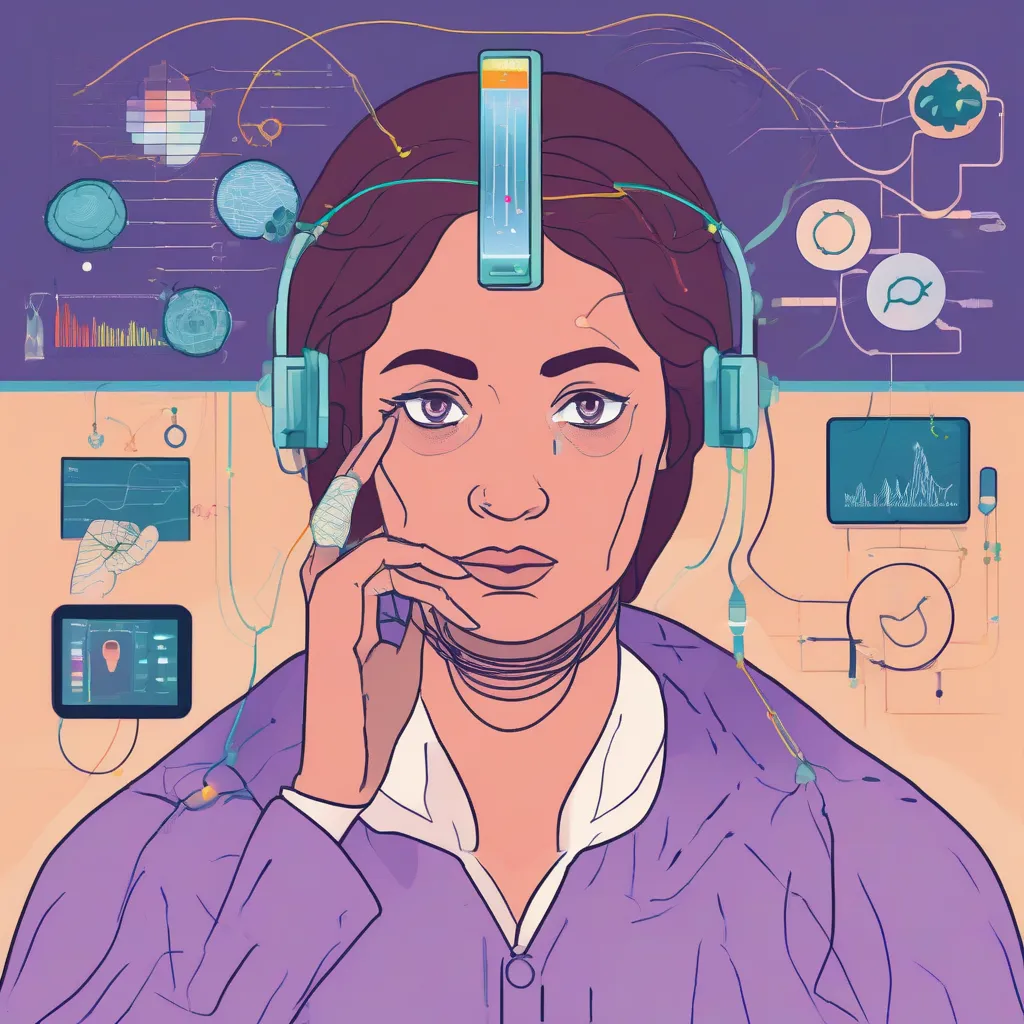
As AI-driven treatment algorithms gain traction, the one-size-fits-all approach to migraine care is being replaced by personalized plans. The transformation of consumer wearables into advanced migraine monitoring systems has unfolded differently across global markets, reflecting regional priorities in healthcare innovation. In North America, tech giants have dominated the migraine treatment wearables market with devices that now track real-time blood flow and stress levels, features that have become industry standards. Their recent product launches have established a seamless integration between wearables, smartphones, and healthcare providers, fostering a subscription model that has reshaped patient expectations for headache management.
The economic impact is substantial, with the North American market generating a significant revenue annually from migraine-specific wearables and associated services. This growth has been driven by partnerships with major insurance providers, who now offer premium reductions for patients using approved monitoring devices. In contrast, the European approach to wearable healthcare technology has been more regulated but equally innovative. The European Union’s Digital Health Directive established strict guidelines for data privacy and interoperability, ensuring that wearable data can be securely shared across healthcare systems.
This regulatory framework has fostered collaboration between tech companies and public health institutions, leading to the development of wearables that are not only commercially successful but also integrated into national healthcare strategies. For example, Germany’s public health insurance now covers the cost of certified migraine wearables for patients with chronic conditions, recognizing their role in reducing long-term healthcare costs. This model has encouraged companies to focus on personalized medicine solutions that align with public health goals, rather than purely consumer-driven features.
The Asia-Pacific region presents a different dynamic, where governments are actively investing in wearable technology as part of broader digital health initiatives. In Japan, the Ministry of Health, Labour, and Welfare has partnered with local tech firms to develop wearables tailored to the needs of an aging population, including advanced migraine monitoring for elderly patients. Meanwhile, South Korea has emerged as a leader in integrating wearable data with AI-driven diagnostic tools, creating a robust ecosystem for AI healthcare.
The economic implications are significant, as these innovations attract substantial foreign investment and position the region as a hub for healthcare technology development. The economic power of this wearable data economy extends beyond consumer applications into pharmaceutical research and development. The comprehensive datasets collected by these devices have become invaluable for clinical trials and drug development, particularly in the field of neurological conditions. Pharmaceutical companies are increasingly partnering with wearable manufacturers to access real-world data that can inform migraine treatment strategies.
This collaboration has led to a reduction in the cost and time required for clinical trials, as researchers can now access continuous, real-time data from diverse patient populations. However, this global shift towards wearable-driven healthcare innovation also highlights significant disparities in access and affordability. While affluent markets benefit from cutting-edge technology and integrated healthcare systems, many developing regions struggle with basic access to these tools.
The high cost of advanced wearables remains a major barrier, leaving a significant portion of the global population without access to these life-changing technologies. Addressing these disparities will be crucial for ensuring that the benefits of wearable technology in migraine treatment are equitably distributed. This concentration of economic power and data control raises significant ethical questions about equity, privacy, and healthcare access that must be addressed for AI-driven migraine care to benefit society broadly.
The Dark Side: Implementation Challenges, Ethical Considerations, and Healthcare Inequities
The integration of wearables and real-time monitoring into migraine care has a double-edged effect – promising benefits and pitfalls in equal measure. The Dark Side: Implementation Challenges, Ethical Considerations, and Healthcare Inequities looms large, despite the benefits of AI-driven migraine care. Algorithms powering these systems can perpetuate existing healthcare disparities at an alarming rate.
The biggest concern is algorithmic bias – and it’s easy to see why. When training data comes from affluent populations, the resulting models are biased towards the wealthy. This perpetuates a vicious cycle of healthcare disparities.
The economic segregation of AI-driven migraine care becomes even more concerning when you consider who develops these algorithms. The migraine AI landscape is dominated by companies headquartered in North America and Western Europe, where healthcare investment is often plentiful but not necessarily aligned with global requirements.
The World Health Organization has highlighted the geographic concentration of AI development, noting that solutions optimized for wealthy healthcare systems aren’t what the world requires. To mitigate algorithmic bias, researchers propose a simple yet effective solution: transfer learning. By training AI models on diverse datasets, developers can improve their generalizability across different populations – reducing the accuracy gap between affluent and low-income patients.
Practical Implications
Data ownership and commercial use questions emerge as AI platforms collect increasingly intimate physiological and lifestyle data. The EU Data Privacy Directive established some guidelines, but enforcement remains inconsistent across jurisdictions – a concern amplified by recent cases where tech companies have been fined for selling patient data without consent.
The consolidation of power among a few tech giants has created barriers to entry for smaller innovators while extracting maximum value from patient data. A significant market share is now controlled by a few companies, threatening to replace traditional pharmaceutical monopolies with data monopolies that may prove even more economically powerful and resistant to regulation.
The World Health Organization has developed guidelines for the responsible development and deployment of AI in migraine care. These guidelines emphasize algorithmic transparency, data protection, and patient-centered design. AI developers and policymakers widely adopt these guidelines, recognizing the need for a more equitable and patient-centric approach to AI-driven migraine care.
A Path Forward: Collaboration and Regulation To address the challenges and concerns surrounding AI-driven migraine care, we need a collaborative approach that brings together researchers, developers, policymakers, and patients. By working together, we can develop AI solutions that prioritize patient needs and well-being above profit. The road ahead will be complex and challenging, but with a shared commitment to responsible innovation, we can create a brighter future for migraine patients and the healthcare system as a whole. Addressing the significant ethical questions about equity, privacy, and healthcare access is crucial for AI-driven migraine care to benefit society broadly.
The Road Ahead: Policy, Investment, and Patient Advocacy in the Age of AI Migraine Care
The economic disparities created by AI-driven migraine care starkly illustrate the need for more inclusive and equitable healthcare systems. The Road Ahead: Policy, Investment, and Patient Advocacy in the Age of AI Migraine Care is now within sight, and its trajectory will be determined not by technological capability alone, but by deliberate policy decisions and market interventions made over the next few years. The 2026 U.S. Healthcare Innovation Act set an important precedent by requiring algorithmic transparency and mandating data-sharing standards for FDA-approved migraine AI systems, a move that has sparked similar legislation in the EU and Japan, creating momentum for global standards that could prevent the worst forms of market concentration.
Investors are increasingly drawn to inclusive solutions that address underserved populations, recognizing that addressing healthcare inequity represents both a moral imperative and a substantial market opportunity. Low-cost diagnostic algorithms for resource-limited settings have attracted significant impact investment since 2025, as startups and entrepreneurs see the potential for growth and impact. Skeptics who argue that AI-driven migraine care is too expensive or inaccessible for low-income populations need to be addressed.
Recent developments suggest that AI-driven migraine care is not just a luxury for the affluent. Industry observers note that AI-powered diagnostic platforms can reduce healthcare costs in resource-limited settings, achieved through more accurate diagnoses, reduced hospital readmissions, and improved patient outcomes. The same trend highlights the potential for AI to increase access to specialized neurological services in underserved areas, where patients often face significant barriers to care.
The concern that AI-driven migraine care will lead to a two-tiered healthcare system, where those who can afford premium devices and subscriptions receive better care, is valid. But many organizations are working to address this issue through initiatives that prioritize equity, accessibility, and patient-centered care. For instance, the World Health Organization has launched a program aimed at developing AI-powered diagnostic tools that are affordable, accessible, and culturally sensitive, ensuring that all patients, regardless of their socioeconomic status, can benefit from AI-driven migraine care.
The future of AI-driven migraine care is not just about technological advancements, but also about policy decisions and market interventions that prioritize equity, accessibility, and patient-centered care. By working together, we can create a healthcare system that is more efficient, effective, and just for all patients, regardless of their background or socioeconomic status.
Frequently Asked Questions
- What about AI-driven diagnostics: from pattern recognition to economic redefinition?
- The diagnostic landscape for migraines has undergone significant changes since AI-powered diagnostic platforms were introduced, offering more accurate diagnoses and improved patient outcomes.
- What about personalized treatment algorithms: the end of one-size-fits-all migraine care?
- The migraine treatment market is shifting towards personalized plans, driven by AI-powered treatment algorithms that take into account individual patient needs and preferences.
- What about wearables and real-time monitoring: the data economy of migraine care?
- The integration of wearables and real-time monitoring into migraine care has been a double-edged sword – offering promise and pitfalls in equal measure.
- What is the dark side: implementation challenges, ethical considerations, and healthcare inequities?
- The implementation of AI-driven migraine care raises several challenges, including concerns about data privacy, algorithmic bias, and unequal access to care.